Más vale tarde que nunca… Aquí está la última entrega de este fantástico viaje por el mundo de los cuentos en Letonia. El texto en inglés, más abajo.
Last but not least, the third part of this wonderful trip around the Latvian world of folktales. English text follows.
29 de abril
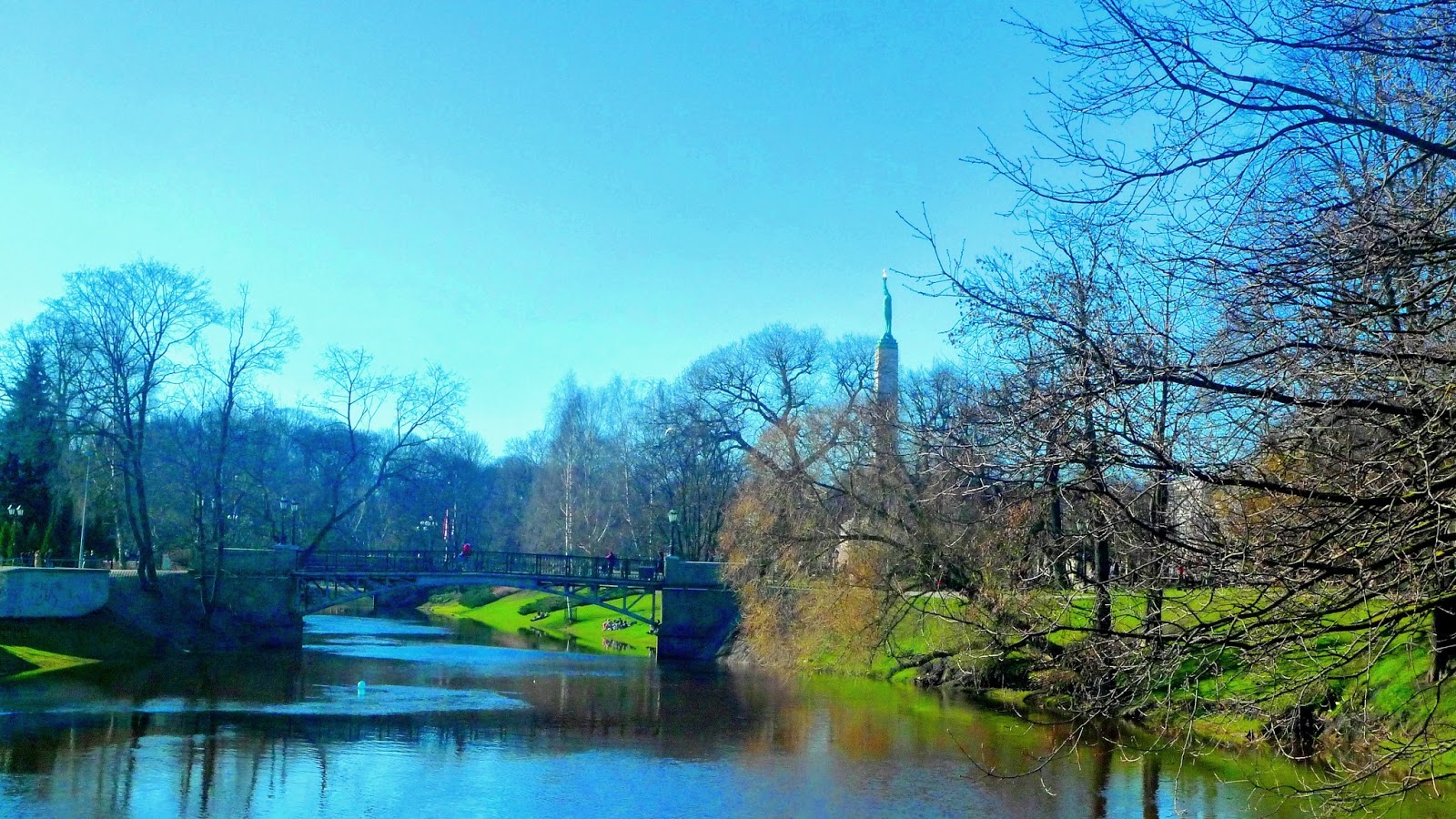
Después de un día de descanso con Māra Mellēna, que me pasea por la ciudad, descubriéndome muchos
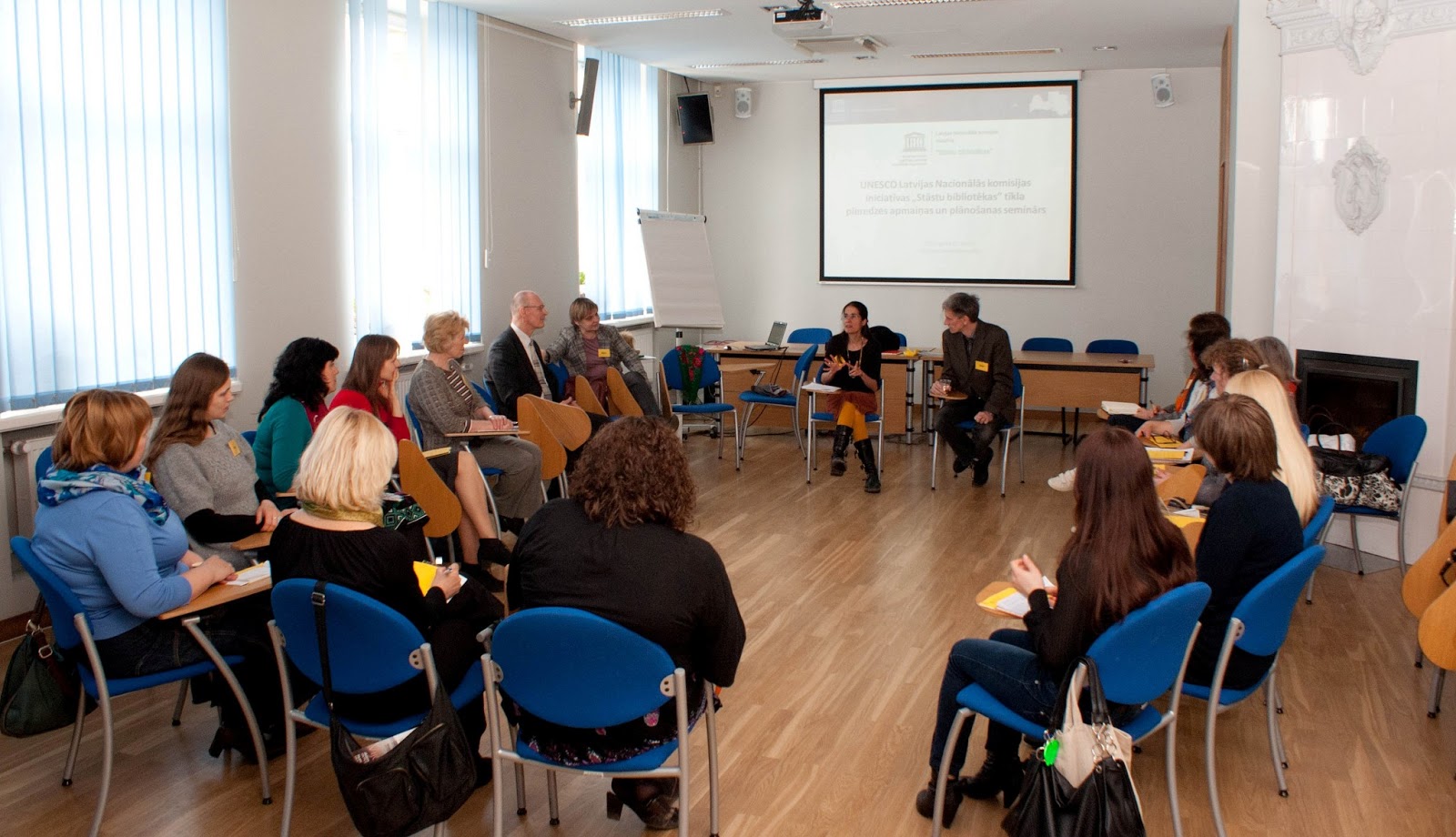
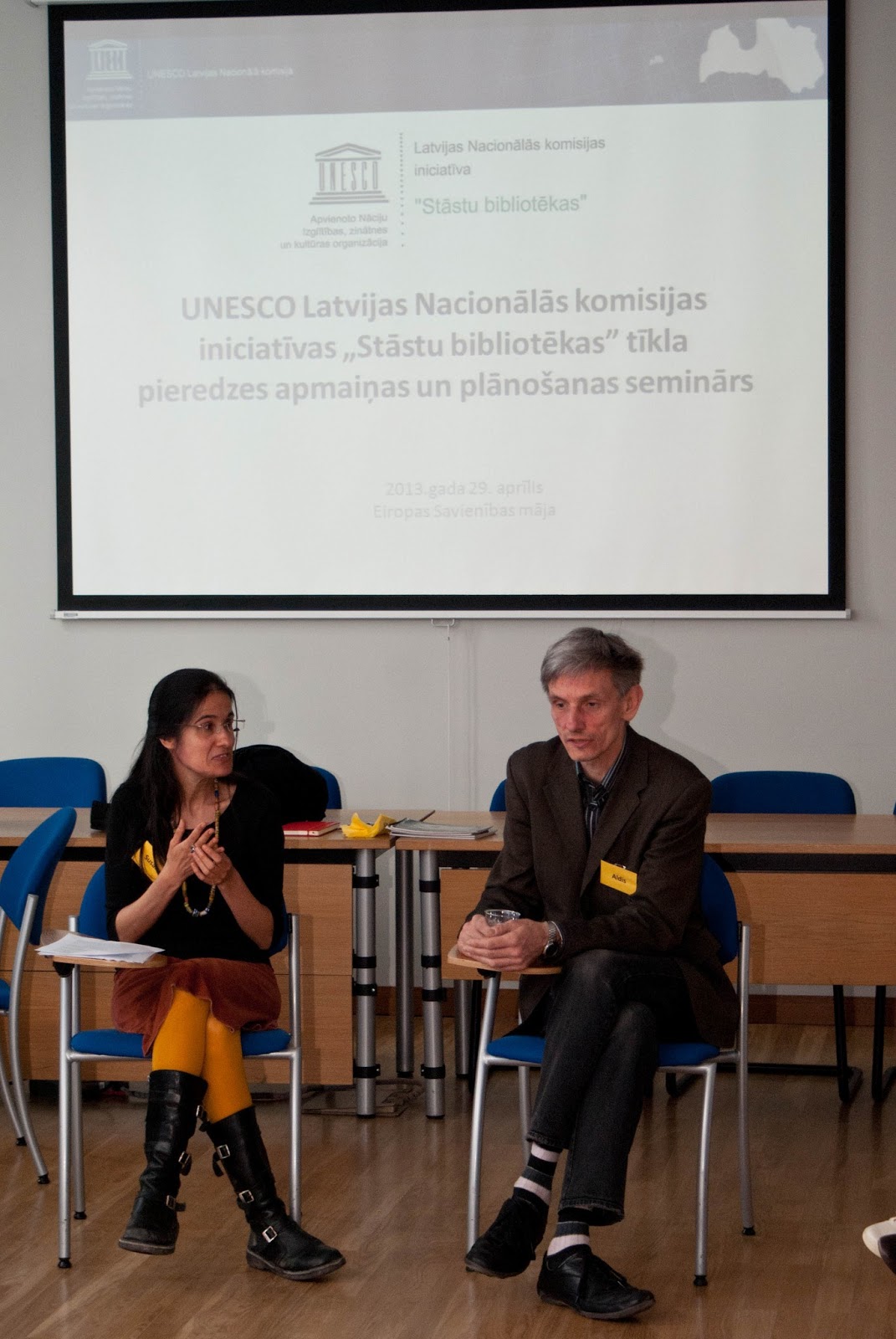
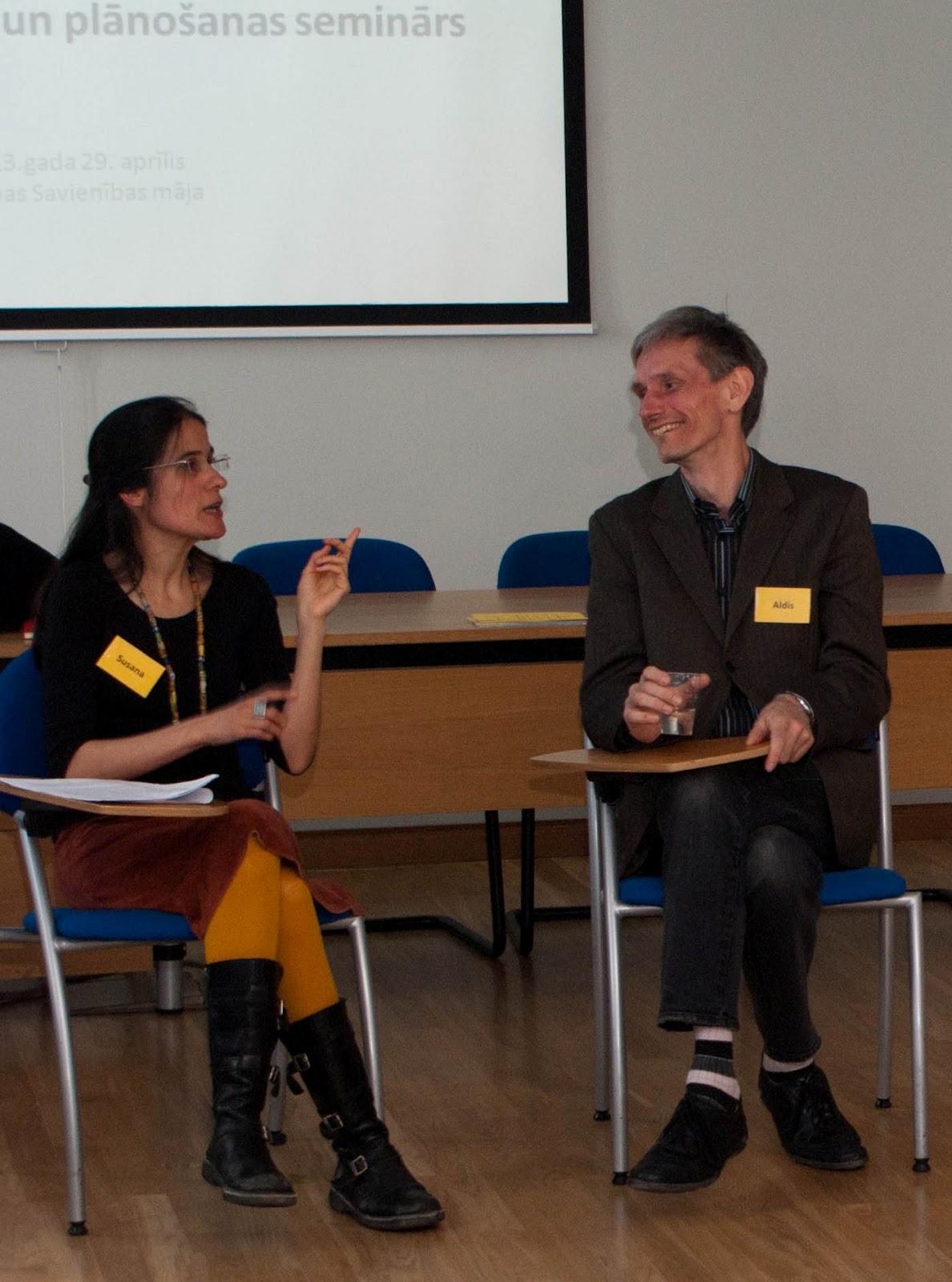
detalles sobre la cultura y las tradiciones letonas, el lunes por la mañana participo en un seminario organizado en colaboración con la comisión nacional de la UNESCO en el marco del proyecto «La hora del cuento en las bibliotecas», donde asisten bibliotecarias de todo el país. La lengua vehicular será el inglés, y cuento con la ayuda de Aldis Pūtelis, un excelente narrador y traductor, quien se encargará de traducir mis palabras del inglés al letón. Antes de entrar en la sala hablo un poco con Aldis para que sepa a qué atenerse. También le comento los cuentos que me gustaría contar durante el seminario. Un cuento de allí nos lleva a un cuento de acá, y fijándonos en las diferencias y las similitudes de cada cuento, me habla de los espíritus del agua, muy presentes en el folklore letón. Absorta en las historias, casi he olvidado que debemos unirnos al grupo del seminario.

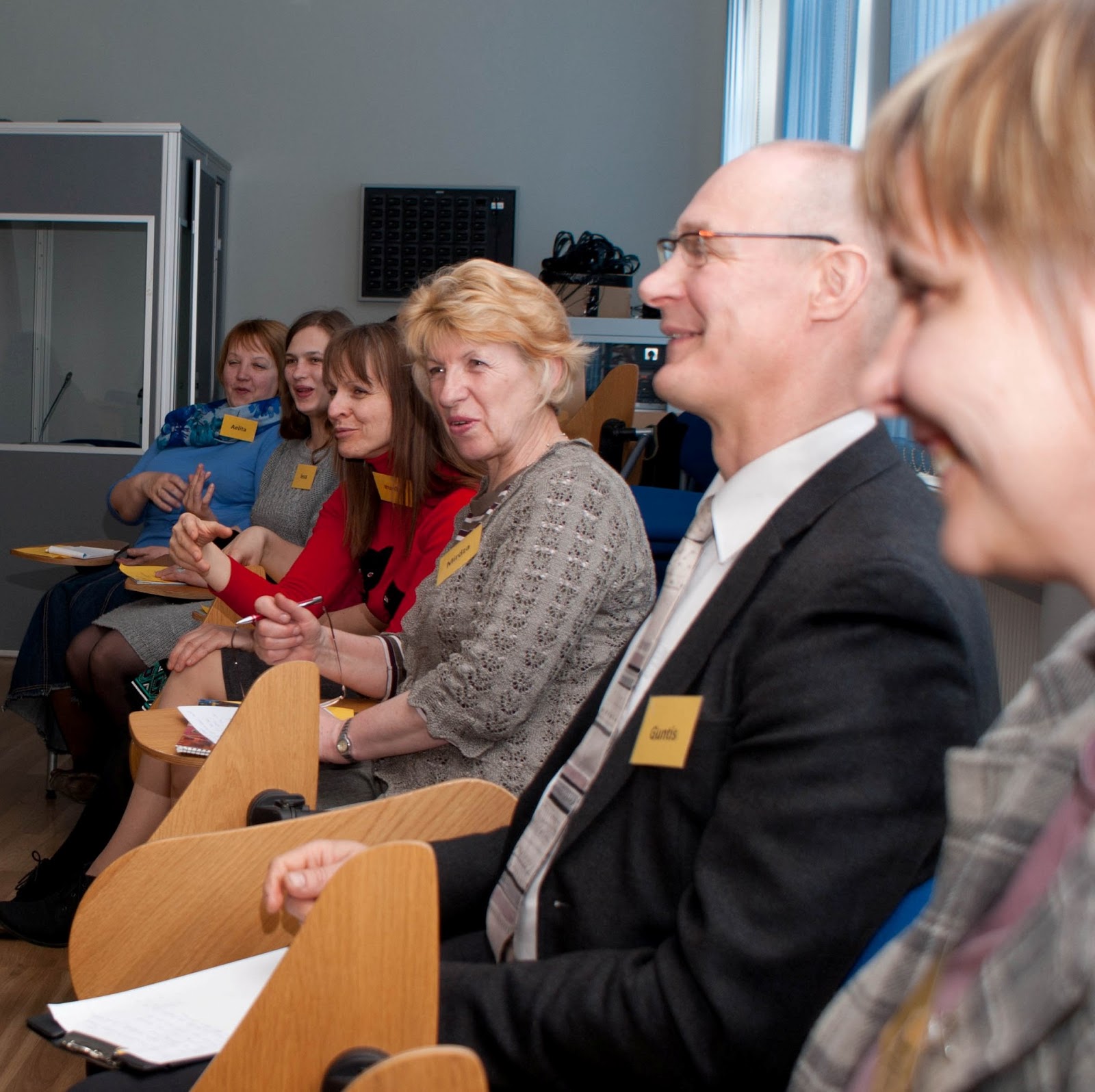
Las asistentes primero preguntan tímidamente, pero las historias son de gran ayuda para hacer hablar a la gente, y pronto surgen temas muy interesantes en torno al hecho de contar. Es un verdadero placer contar «La sopa de piedra» con Aldis, la cuenta en su lengua con gracia y ritmo, y de repente estamos contando la historia a dos voces, haciendo un dúo donde dos idiomas y dos formas de contar se encuentran para crear algo nuevo. Parece que la gente se lo está pasando en grande; y yo también. Es genial escuchar el eco de un cuento que has contado tantas veces en un idioma tan musical como el letón, buscando similitudes, tratando de adivinar palabras…
Al finalizar el cuento, la representante de la biblioteca de Ventspils «Mi madre estuvo en el festival Zip Zup de Kuldigā y me contó ayer este cuento por teléfono, ¡dijo que te lo escuchó contar en el festival!». Parece que la transmisión oral sigue funcionando, más rauda y veloz que nunca gracias a la tecnología.

Durante el seminario cuento también «La gallina negra», y Aldis saca su vis cómica para añadirle un toque muy divertido a la narración. Creo sinceramente que este puede ser el futuro para revivir los cuentos en nuestra sociedad multilingüe. Ante los subtítulos o PowerPoints con traducciones interminables siempre te enfrentas al mismo dilema: apartar la vista del narrador y sacrificar la expresividad y el lenguaje corporal, o sencillamente prescindir de la traducción y perderte el significado textual de la historia. Pero todo eso se queda corto ante un buen duelo de espadachines narrantes manejando palabras en lugar de espadas. De este modo, el paso de un idioma al otro se convierte en arte, y el que escucha puede maravillarse ante su propio idioma y además disfrutar de la sonoridad, la música y la belleza de una lengua que hasta ahora desconocía.

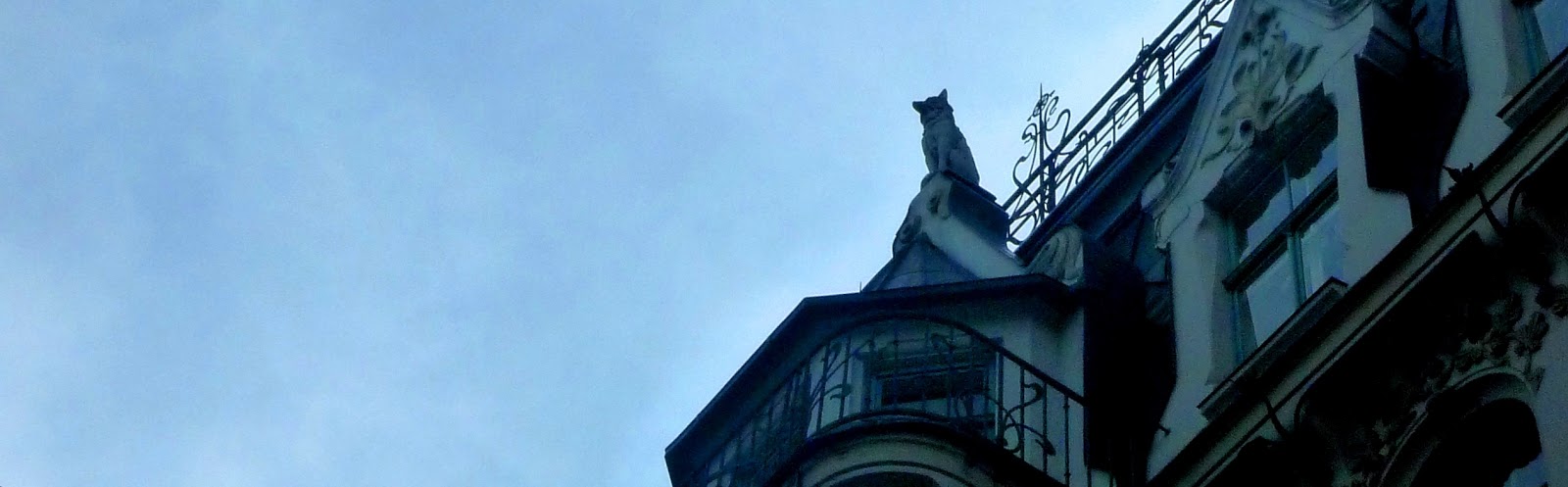
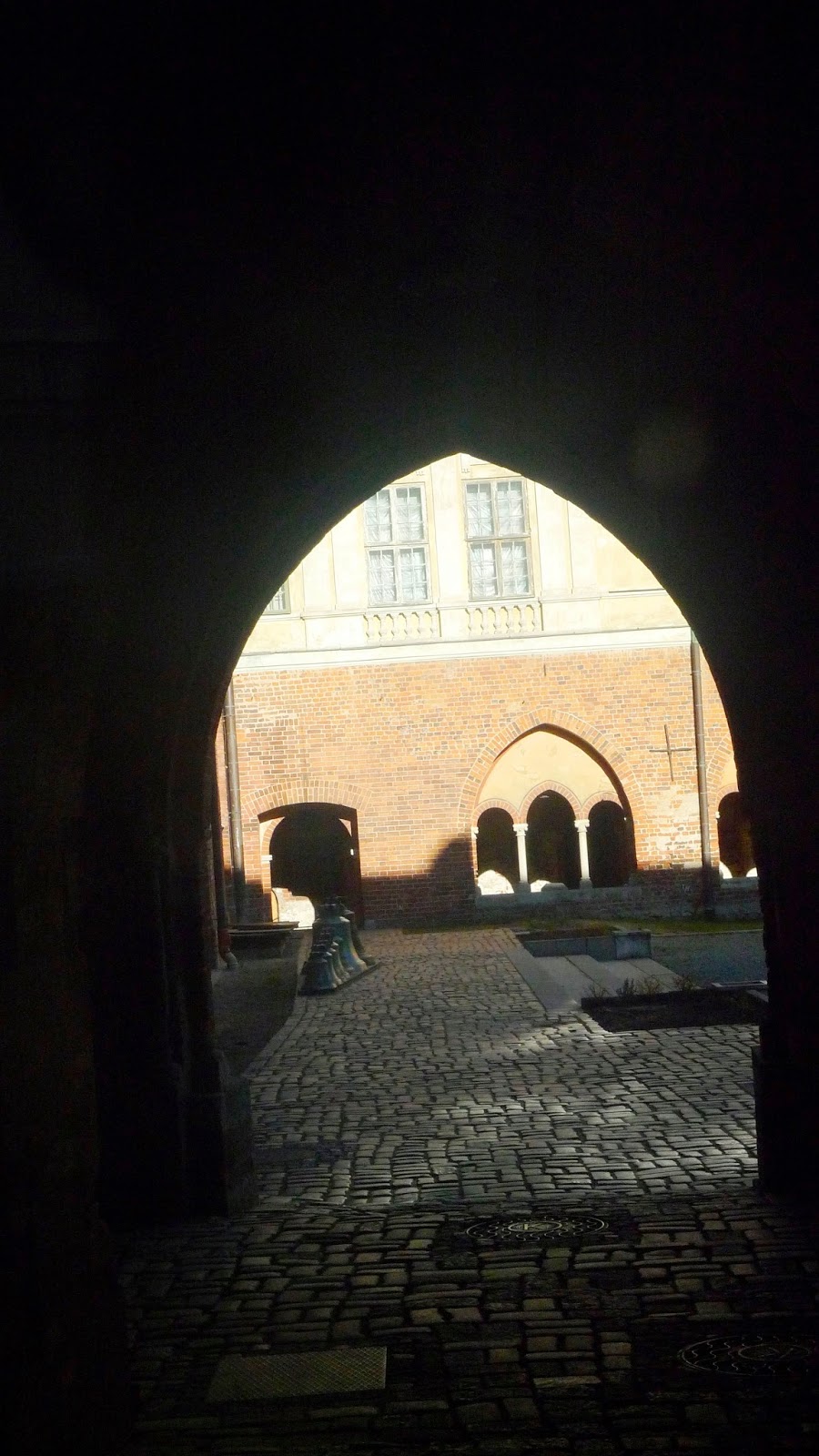
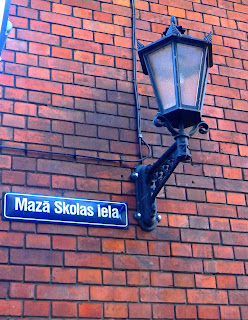
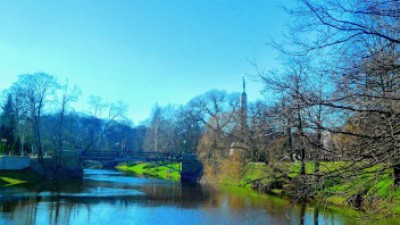
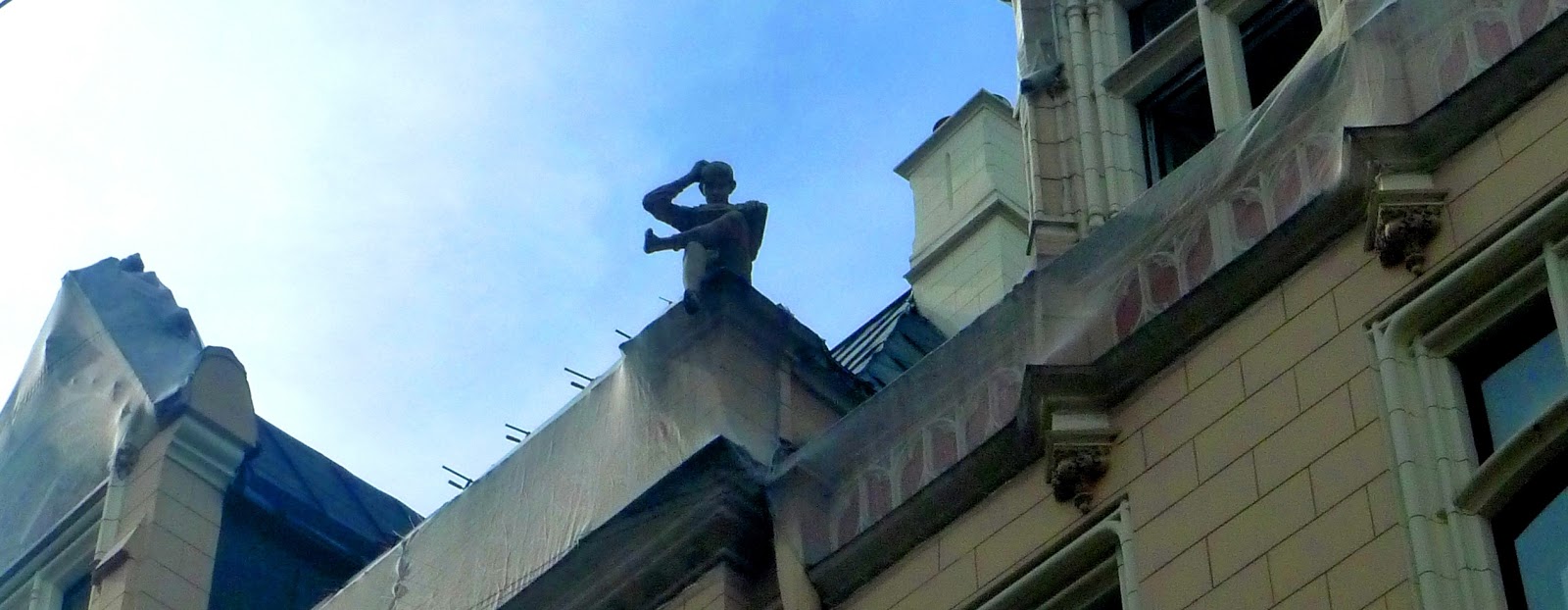
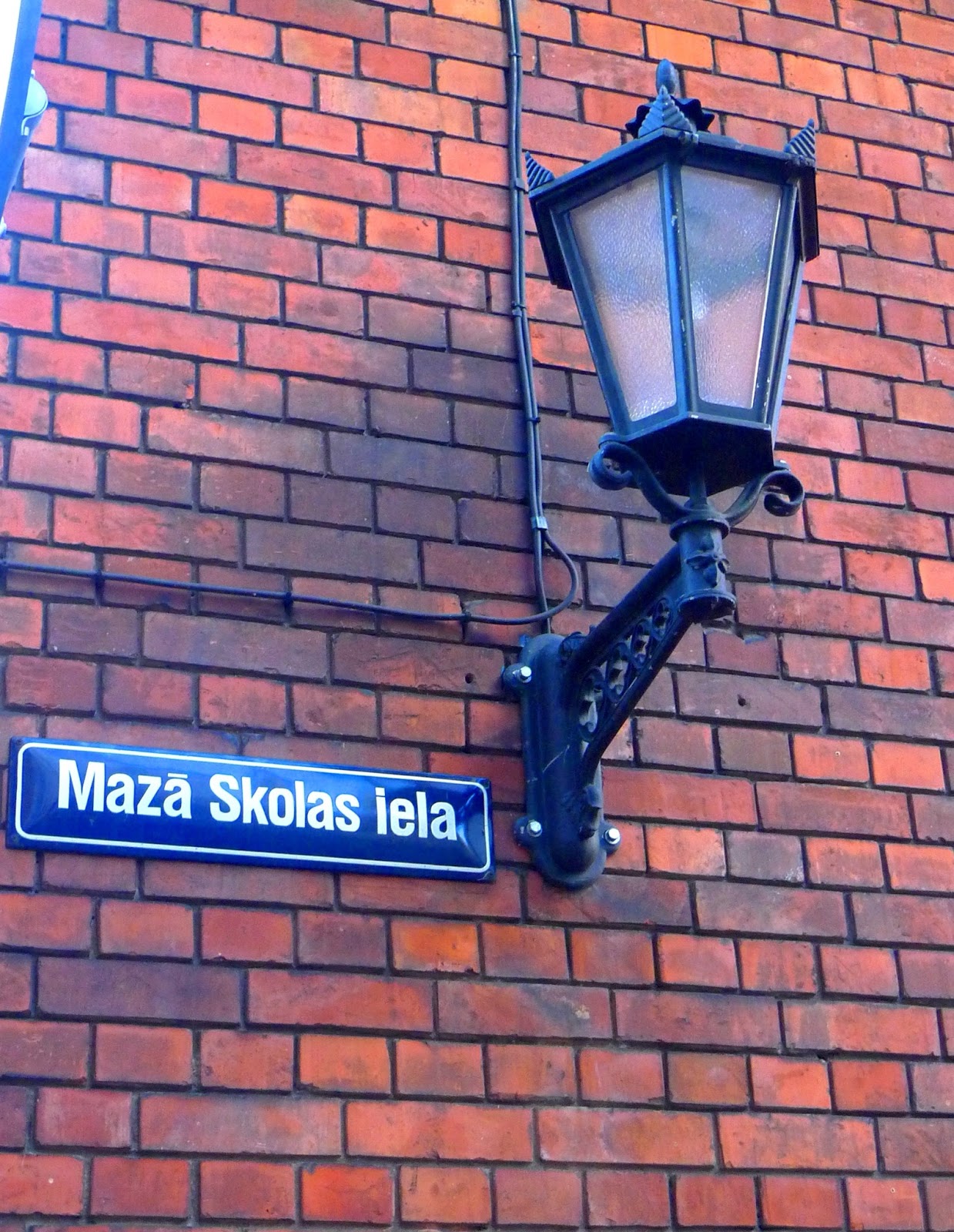
Después del seminario tengo un ratito para visitar la antigua Riga, y sus calles muestran huellas de los diferentes pueblos que han pasado por aquí. Aldis me descubre algunos de los secretos de la ciudad: una estatua en una azotea, una vieja leyenda, los malentendidos que se esconden tras los nombres de las calles, muchos de ellos fruto de un error de traducción del Mittelniederdeutsch, el dialecto del alemán que se hablaba aquí: Siļķu iela, la «calle del arenque» (Herringstrasse) debería ser en realidad Kungu iela, la «Calle de los señores» (de Herrenstrasse); Peldu Iela, la «calle de nadar» (Schwimmstrasse), en realidad debería llamarse Cūku iela, de Schwimmstrasse, «Calle de los cerdos». Y así de un malentendido a otro, a cuál más divertido: este pequeño paseo haría las delicias de mis colegas traductores.
 Por la tarde asisto como invitada a la gala de la Academia de Cultura, y cuento también un par de historias, esta vez sin traducción, puesto que la mayoría de asistentes son estudiantes de español. Es curioso ver con qué facilidad hablan nuestro idioma con muy buen acento. Quizá sea debido a la gran musicalidad de su lengua… Y yo apenas sé pronunciar Liels paldies… Resulta que el letón y el lituano son las dos únicas lenguas de raíz indoeuropeas más arcaicas que aún se hablan en la actualidad. Una lengua antigua, pero muy viva y muy presente en la vida diaria, por lo que he podido comprobar.


Ha sido un día largo, toca volver a casa. La verdad es que me siento como en casa aquí. Pero aún le falta la
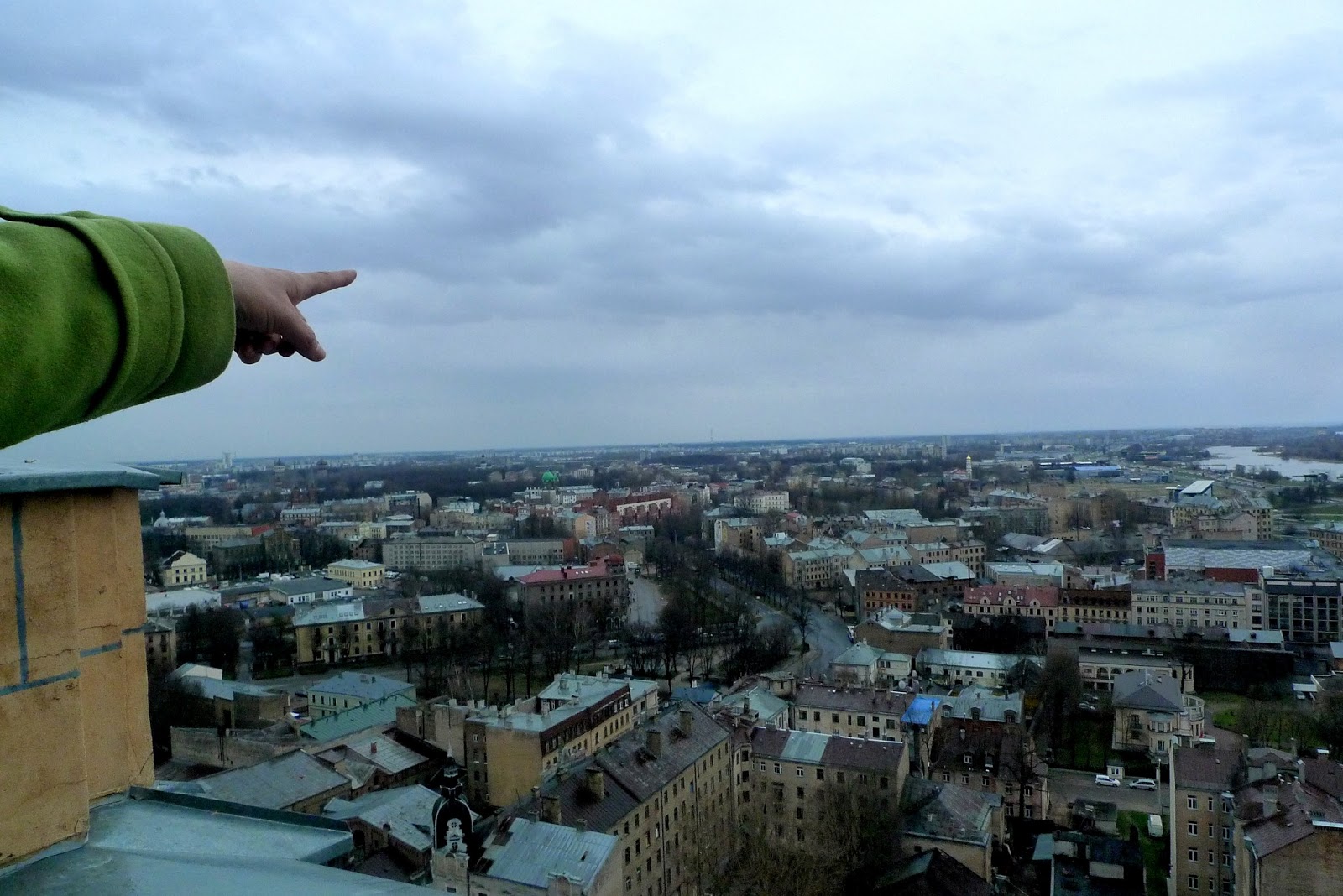
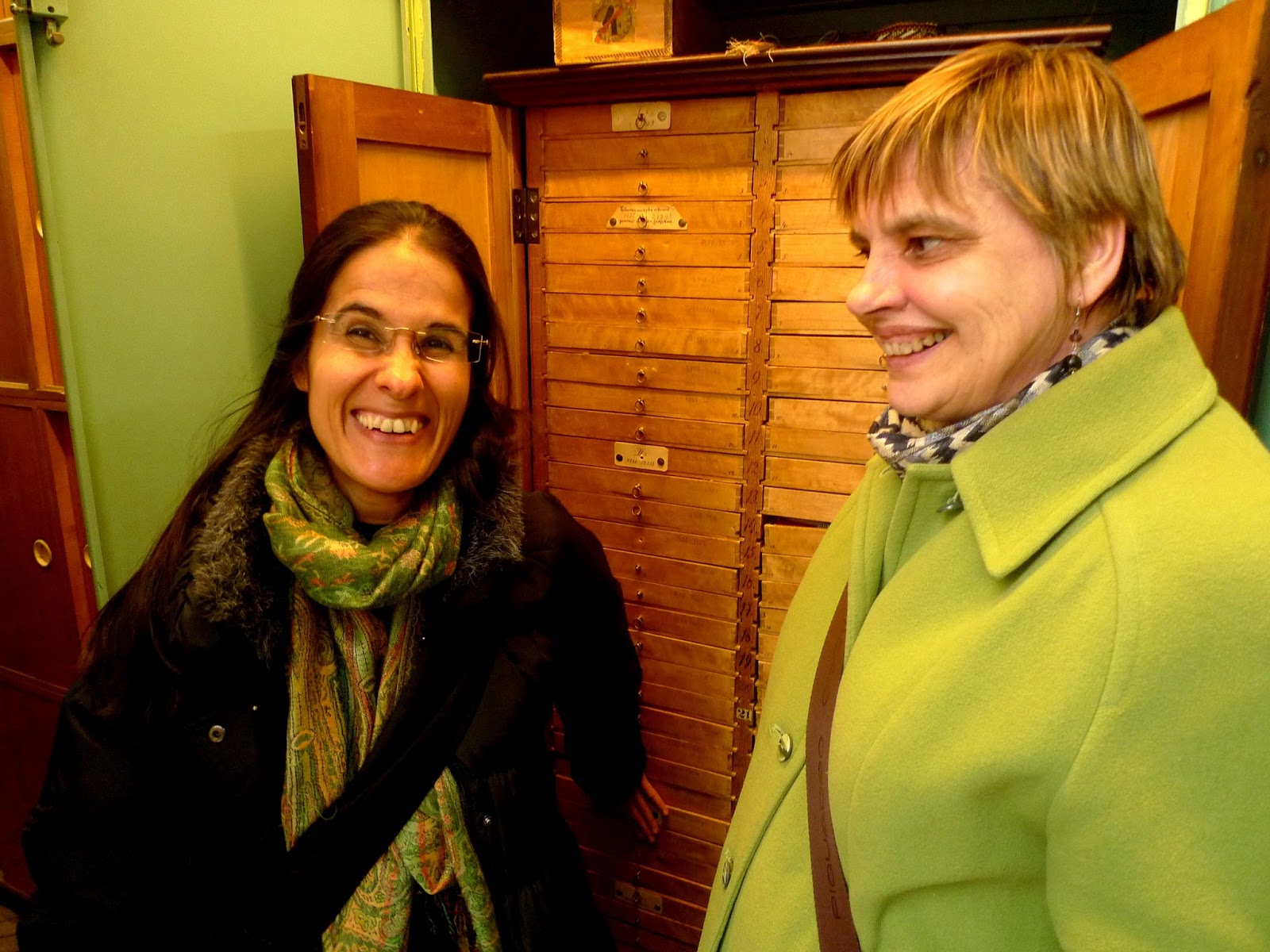
guinda al pastel. Guntis me invita a visitar con Māra los Archivos de Folklore de Letonia, que están en un impresionante edificio de la etapa soviética. Desde arriba contemplamos una de las mejores vistas de Riga. Después de admirar el paisaje, visitamos los archivos: índices tipológicos de cuentos, canciones… En un armario, clasificados en cajitas verdes, allí duermen las leyendas que se han recogido, muchas de ellas aún inéditas: aún queda mucho trabajo por delante. Es un trabajo que requiere tiempo y paciencia. Guntis lo sabe muy bien, pues ha pasado aquí muchas horas de su vida.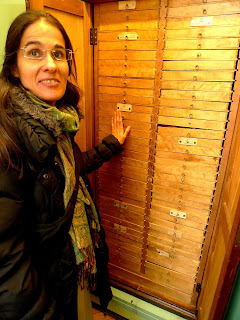
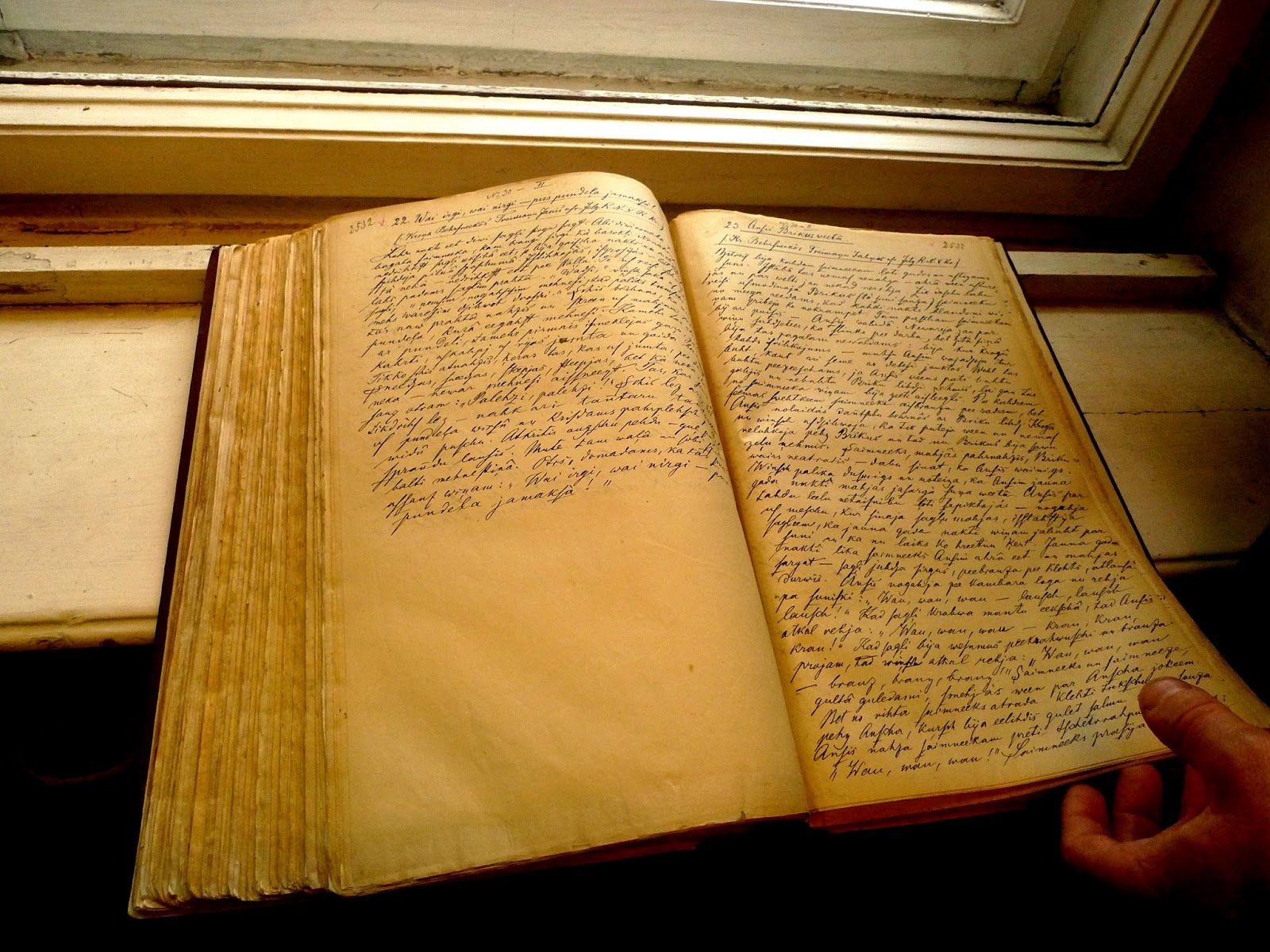
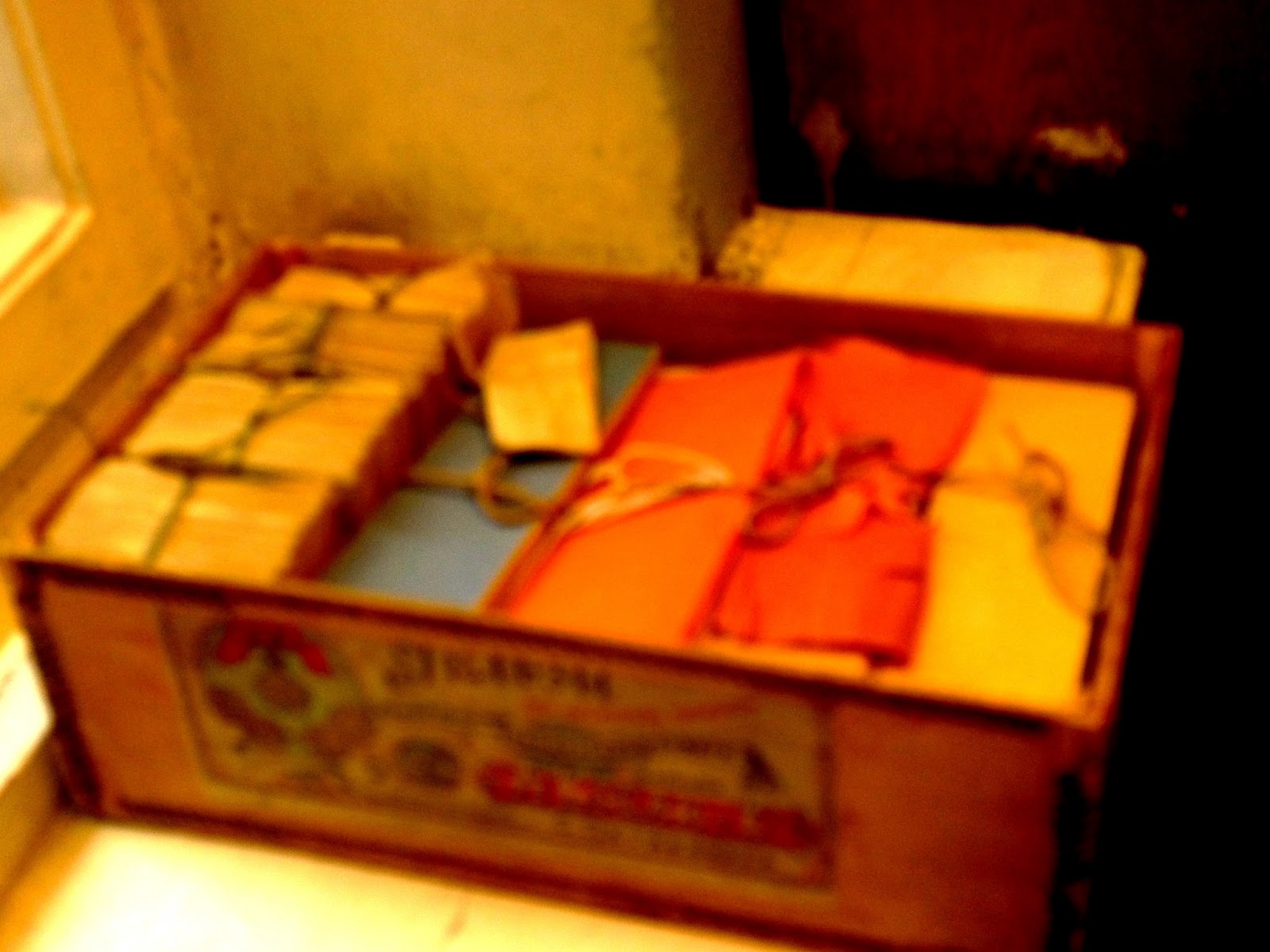
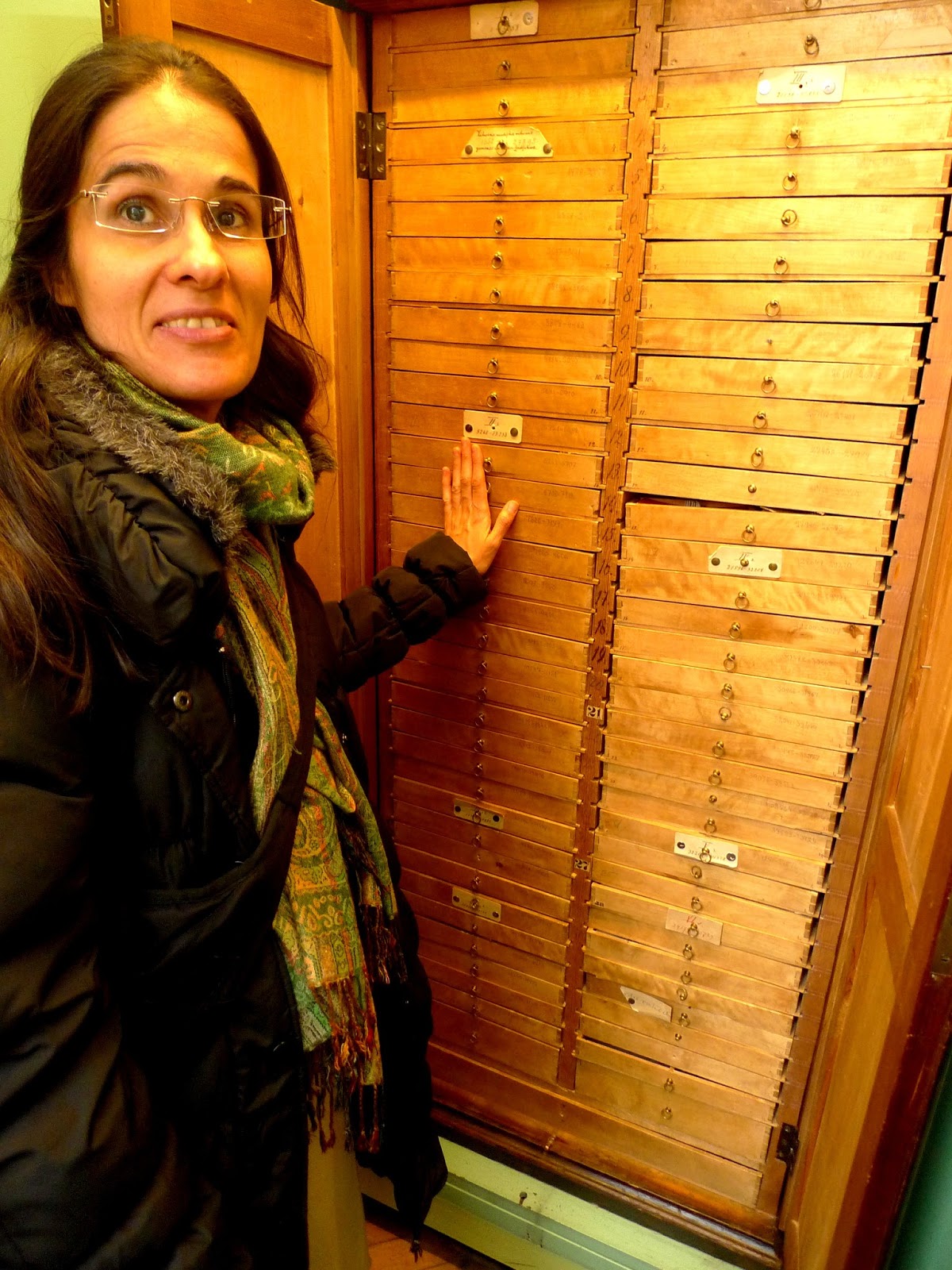
Y luego entramos en la cámara del tesoro: 3 millones de piezas de folklore, entre canciones, leyendas y cuentos, duermen en esta pequeña sala. Me muestran el mayor de los tesoros nacionales: el Dainu Skapis, el armario de las canciones populares, reunido por Krišjānis Barons (1835-1923). Este catálogo incluye todos los manuscritos de las canciones populares que Barons recopiló para editar el Latvju Dainas, la publicación de canciones populares letonas más importante que existe (217.996 textos en 6 volúmenes). Estas canciones, en forma de cuartetos que se han ido limando y perfeccionando a lo largo del tiempo, de generación en generación y de boca a oreja, condensan la esencia poética y mítica del imaginario colectivo de este país. En estos pequeños cajones, dentro de cajas de cigarros (Barons era un fumador empedernido), clasificadas y numeradas minuciosamente en trocitos de papel, pues era un bien escaso, puedo ver dónde duermen las canciones populares, listas para ser cantadas en cualquier momento. Y estoy segura de que así es, pues lo he podido ver con mis propios ojos durante estos días.

El valor de este archivo trasciende el valor histórico u académico; posee una particularidad que de repente
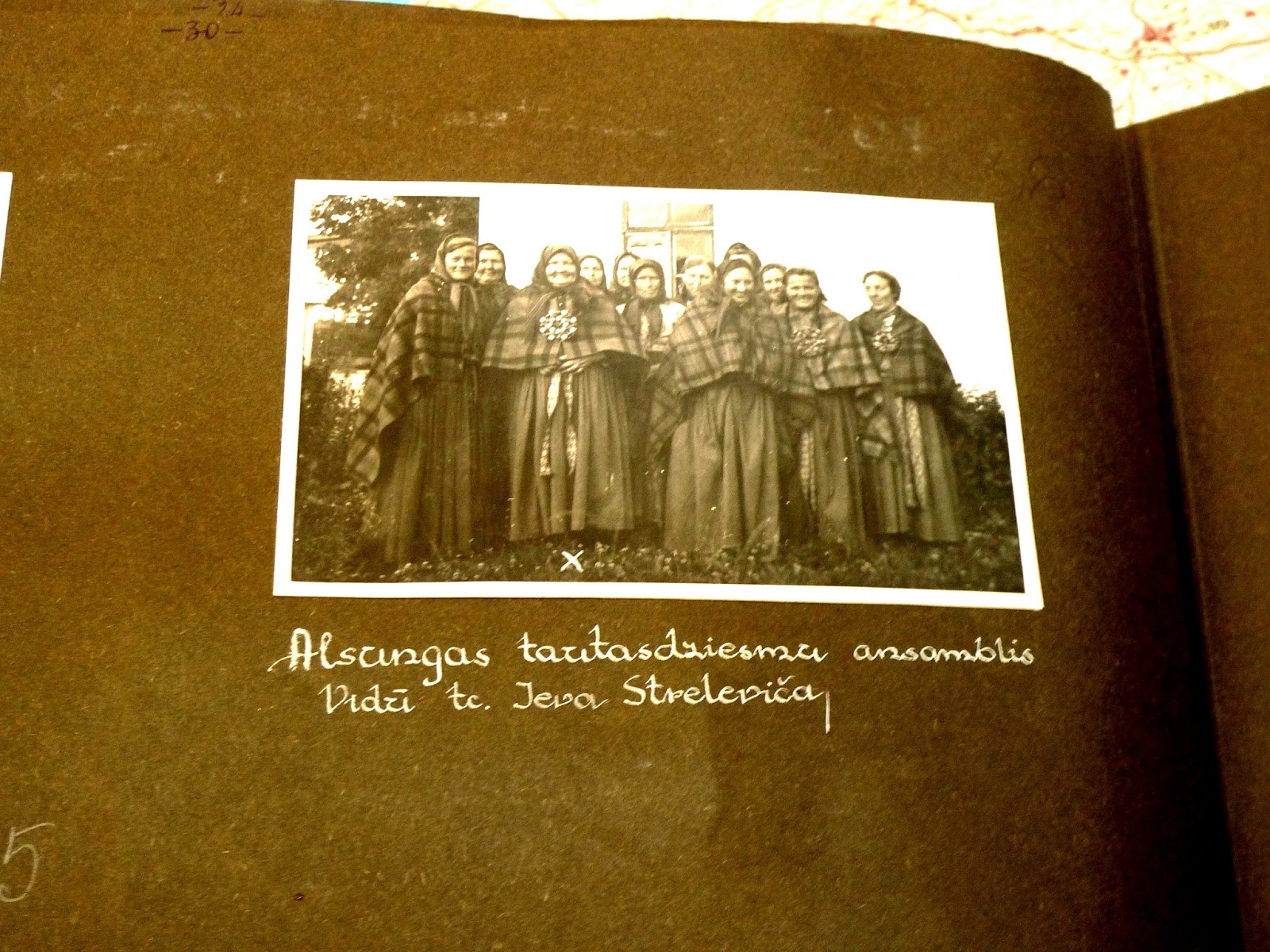
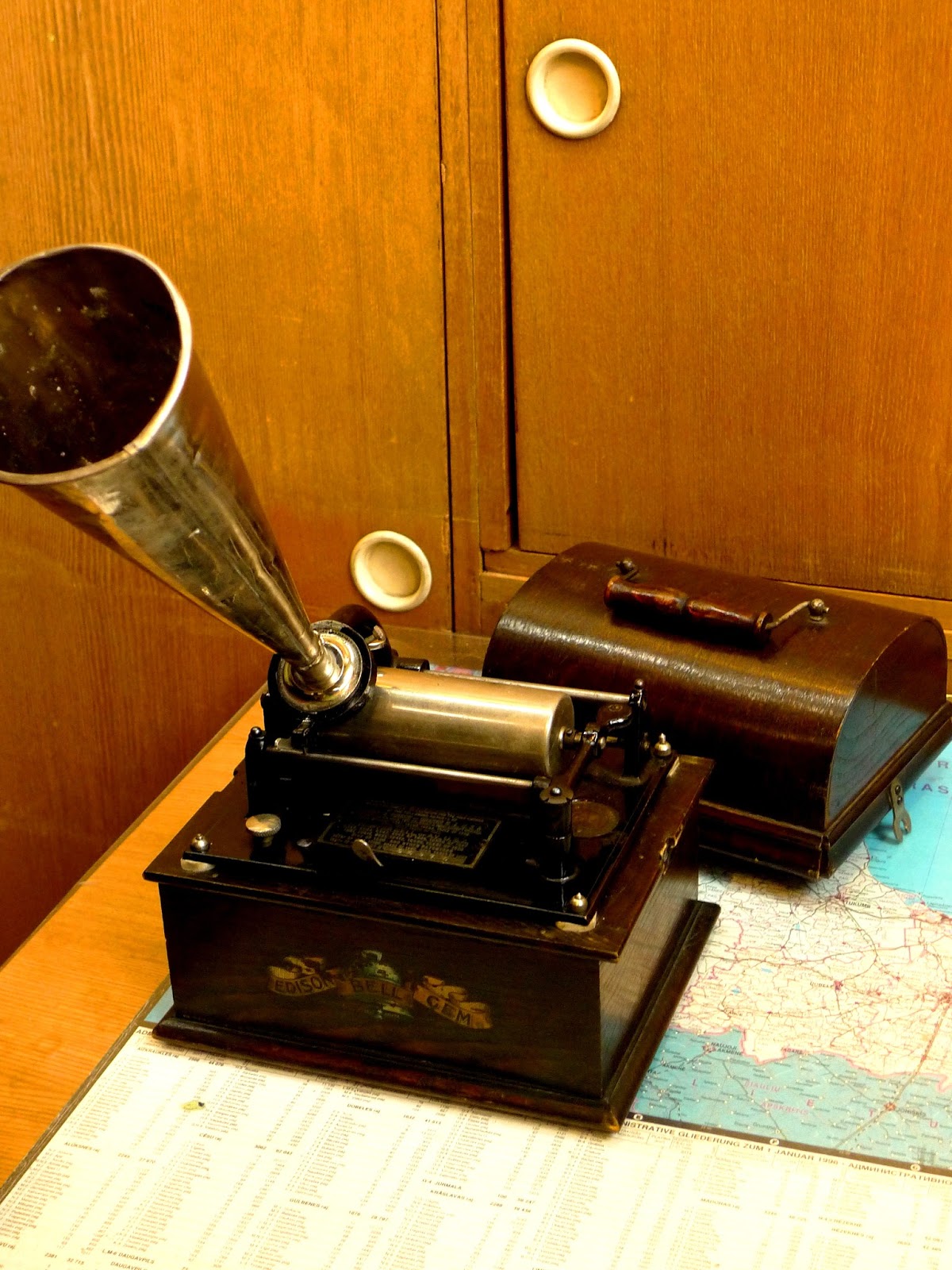
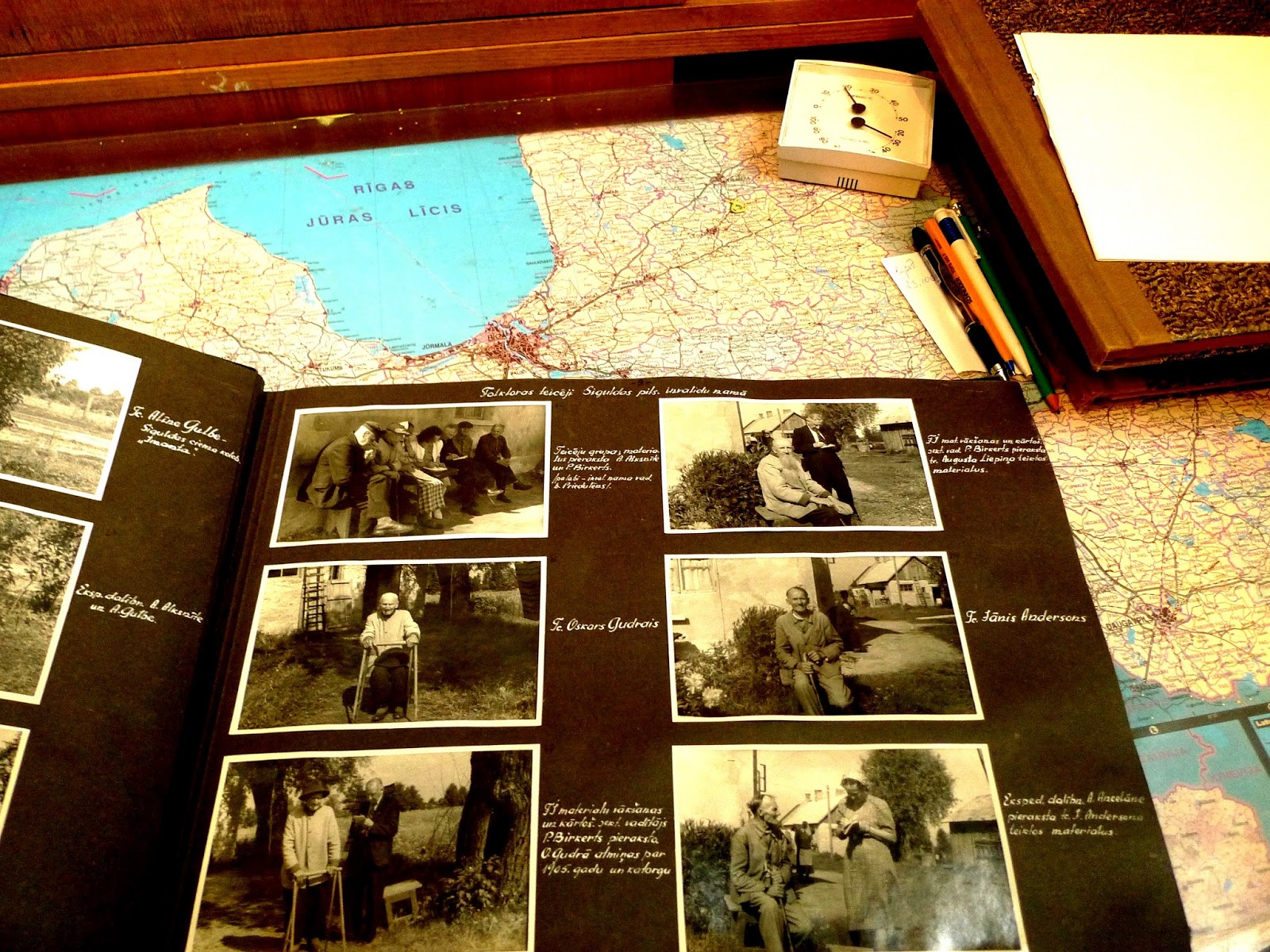
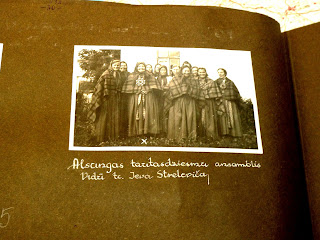
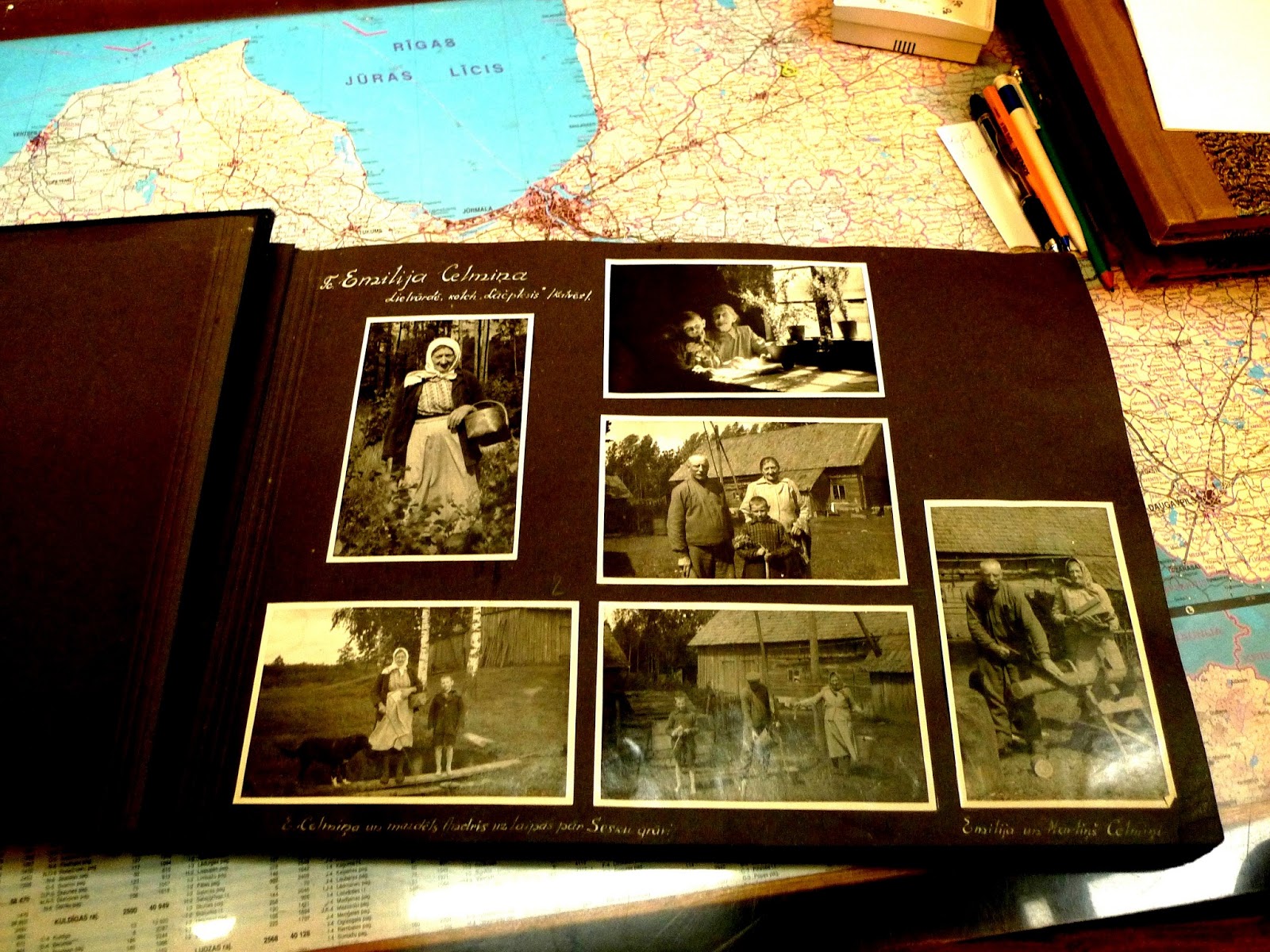
me hace entender el porqué los letones lo aman tanto. En este archivo también se ha registrado dónde y cuándo se cantaba cada canción, y quién la cantaba. Esto significa que cualquiera puede venir aquí y descubrir qué cantaba su familia, sus parientes… Unos parientes con los que nunca hubieran podido coincidir, ya que pertenecen al pasado, pero gracias a este archivo pueden traerlos al presente, compartir algo con ellos, coincidir con ellos. Es un archivo que hace posible lo imposible, conecta el pasado con el presente. Ofrece la posibilidad de transmitir de nuevo la tradición, enriqueciéndola y desarrollándola, haciéndola presente y viva. Al hojear los álbumes de fotos de centenares de informantes y leer sus nombres y lugares de origen cuidadosamente anotados junto a cada foto, en sus hogares, delante de sus casas, en su terruño, me siento profundamente conmovida.
Y después de visitar dónde viven los cuentos en Letonia, toca volver a Barcelona. Ha sido un viaje breve, pero lleno de sorpresas y de enseñanzas. Vuelvo realmente inspirada por todo lo que he podido vivir y experimentar en Letonia, un país que ofrece un montón de historias a quien llegue dispuesto a escuchar. Un país que ahora puedo situar con seguridad en el mapa europeo; en el lejano norte, a orillas del Báltico, y también aquí, muy cerca de mi corazón.
Si os habéis quedado con ganas de más…
Y no podría acabar mi relato sin una daina, una canción popular:
Kas var mani aizrunāt?
Kas var mani aizdziedāt?
Es jau biju to ļautiņu,
Dziedātāju, runātāju.
LD 72, Latvju Dainas
¿Quién culminará mis cuentos?
¿Quién culminará mi canto?
Soy del pueblo
de los que cantan y cuentan.
LD 72, Latvian folksongs
Now the text in English…
29th April
After a day of rest with
Māra Mellēna, who shows me the city and discovers me many details from Latvian folklore and traditions, on Monday morning I take part at one seminar organized in collaboration with the UNESCO National Commitee in the project ‘
Storytime in libraries’, which brings together librarians from all the country. The Lingua franca will be English, and I count on the help of Aldis Pūtelis, a brilliant storyteller and translator, who will translate my words from English into Latvian. Before joining the Seminar I talk a bit with Aldis, to give him some clues for translation. I also tell him about the stories I would like to tell during the seminar. From one story to the other, finding differences and similarities in folktales, he talks me about the water spirits, very present in Latvian folktales. Absorved by stories, I have almost forgotten we have to join the group at the seminar.
The group seem a bit shy to ask at first, but stories help to make people speak, and then very interesting topics about storytelling show up. It is really a pleasure to tell «The Stone Soup» with Aldis: he tells the story in Latvian with such grace and rhythm, and suddenly we are telling the story in two voices, performing a duet where two languages and two ways of telling meet to create something new. People seems to be having fun; so do I. It is great to hear the echo of a story you have told many times in a such musical language as Latvian, looking for similarities, guessing words…
After that, the reresentative of the Ventspils library says «Mi mother was in Kuldiga at the Ziv Zup festival and she told me that story by phone yesterday, she saw you telling it at the festival!». It seems that oral transmission still works, after all; and even faster, thanks to technology.
During the seminar I also tell «The black chicken», and Aldis also adds a funny touch to the tale with his particular style. I sincerely believe that this can be the future for reviving storytelling in our multilingual society. With subtitles or powerpoints of translations you have to face the eternal dilemma: to look away the storyteller and miss the expression and body language, or simply ignore translation and loose the meaning of the story. But all this becomes unnecessary in front of a storytellers’ ‘duel’, with words instead of swords. The swap from one language to another becomes an art, and the listener can marvel at his own language, as well as enjoy the unheard sounds, the music and the beauty of an unknown language.

After the seminar, I have a short time to buy some Latvian music and visit old Riga again: the streets show me traces of the different peoples that inhabited them. Aldis discovers me some secrets of the city: a statue in a roof, an old legend, the misunderstandings hidden in the street’s names, many of them due to a translation error from Mittelniederdeutsch, the German dialect spoken many years ago: Siļķu iela, «Herring Street» (Herringstrasse) should be Kungu iela,«Lords Street» (from Herrenstrasse); Peldu Iela, «Swimming Street» (Schwimmstrasse), should be called Cūku iela, from Schweinstrasse, «Pigs Street». And so on, from one misunderstanding to the other, each more funny than the other: all my translation colleagues will be delighted.

In the afternoon I am invited to take part to the Gala organized by the Academia de Cultura, I tell two stories in Spanish without translation, as most of the audience studies Spanish. It is amazing to hear them speak Spanish with an accurate accent. Maybe the music of Latvian language has to do with it… I feel sorry, as I can barely pronounce Liels paldies… Latvian and Lithuanian are the last two languages with indoeuropean archaic roots that are still alive. And I can say Latvian is a very lively language, very present in the daily life.

It has been a long day, it is time to go home. I feel really home here. But after returning home there is another big surprise for me: Guntis invites me to visit with Māra the
Archivesof Latvian Folklore, located in a massive building from the soviet time. From the roof you have one of the most splendid views from Riga. And after admiring the landscape, I can see the archives: typological indexes from folktales, folksongs… In a cabinet, sorted in green boxes, sleep all collected legends, many of them unedited: there is still a lot of work to be done. This job requires a lot of time and patience. Guntis knows it very well; as he has spent many hours of his life here.
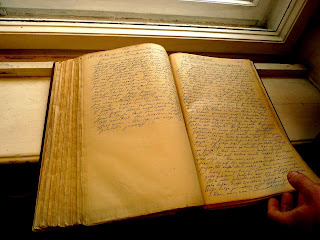
And then I enter the treasure chamber: 3 million of folklore items, included songs, legends and stories, sleep in this room. They show me one of their most precious national treasures: the
Dainu Skapis, the cabinet of folksongs, a card catalogue designed and created by Krišjānis Barons (1835-1923). This catalogue includes all the folksong manuscripts Barons collected for the edition of
Latvju Dainas, the most significant publication of Latvian folksongs (217.996 texts in 6 volumes). This folksongs, in form of quatrains polished and perfectioned over time, passed through generations by word of mouth, and condense the poetical and mitical essence of the collective imagination of this country. In these little drawers, placed in cigar boxes (Barons was a hardened smoker), thoroughly sorted and numbered in little pieces of paper, as paper was scarce, I can see how folksongs sleep, ready to be sung at any time. And I am sure they are sung from time to time, as I have seen it during these days.

The value of this archives transcend the historical or academical value, they have a particularity that suddenly makes me understand why Latvian people loves them so dearly. In this archives has been also registered where and when each song was sung, and also who sung it. That means that anyone can come here and find out what was sung in his family, by his ancestors, or they can even see manuscripts, hear recordings or see photos from distant relatives…

Relatives that they would have never be able to meet, as they belong to the past, but thanks to this archive they can bring them to the present, share something with them, meet them. This archive makes possible the impossible, connects the past with the present and gives the possibility to hand down oral tradition again, enriching and developing it, making it present and alive. Leafing through albums of photos from thousands of informants, reading their names and places of origin carefully noted next to each photo, at home, before their houses, in their land, I feel really touched.

After visiting where do stories live in Latvia, it is time to go back to Barcelona. It has been a short trip, but full of discoveries and learning. I go back really inspired by all what I had the fortune to live and experience in Latvia, a country that offers dozens of stories to everyone who goes there willing to listen. A country that now I can locate without hesitation in the european map; far north, in the Baltic shore, and also here, very close to my heart.
If you want more…
And finally, I would like to share with you a daina, a folksong:
Kas var mani aizrunāt?
Kas var mani aizdziedāt?
Es jau biju to ļautiņu,
Dziedātāju, runātāju.
LD 72, Latvju dainas
Who will out-talk me?
Who will out-sing me?
I am of the folk
Of singers and talkers.
LD 72, Latvian folksongs
 Por la tarde asisto como invitada a la gala de la Academia de Cultura, y cuento también un par de historias, esta vez sin traducción, puesto que la mayoría de asistentes son estudiantes de español. Es curioso ver con qué facilidad hablan nuestro idioma con muy buen acento. Quizá sea debido a la gran musicalidad de su lengua… Y yo apenas sé pronunciar Liels paldies… Resulta que el letón y el lituano son las dos únicas lenguas de raíz indoeuropeas más arcaicas que aún se hablan en la actualidad. Una lengua antigua, pero muy viva y muy presente en la vida diaria, por lo que he podido comprobar.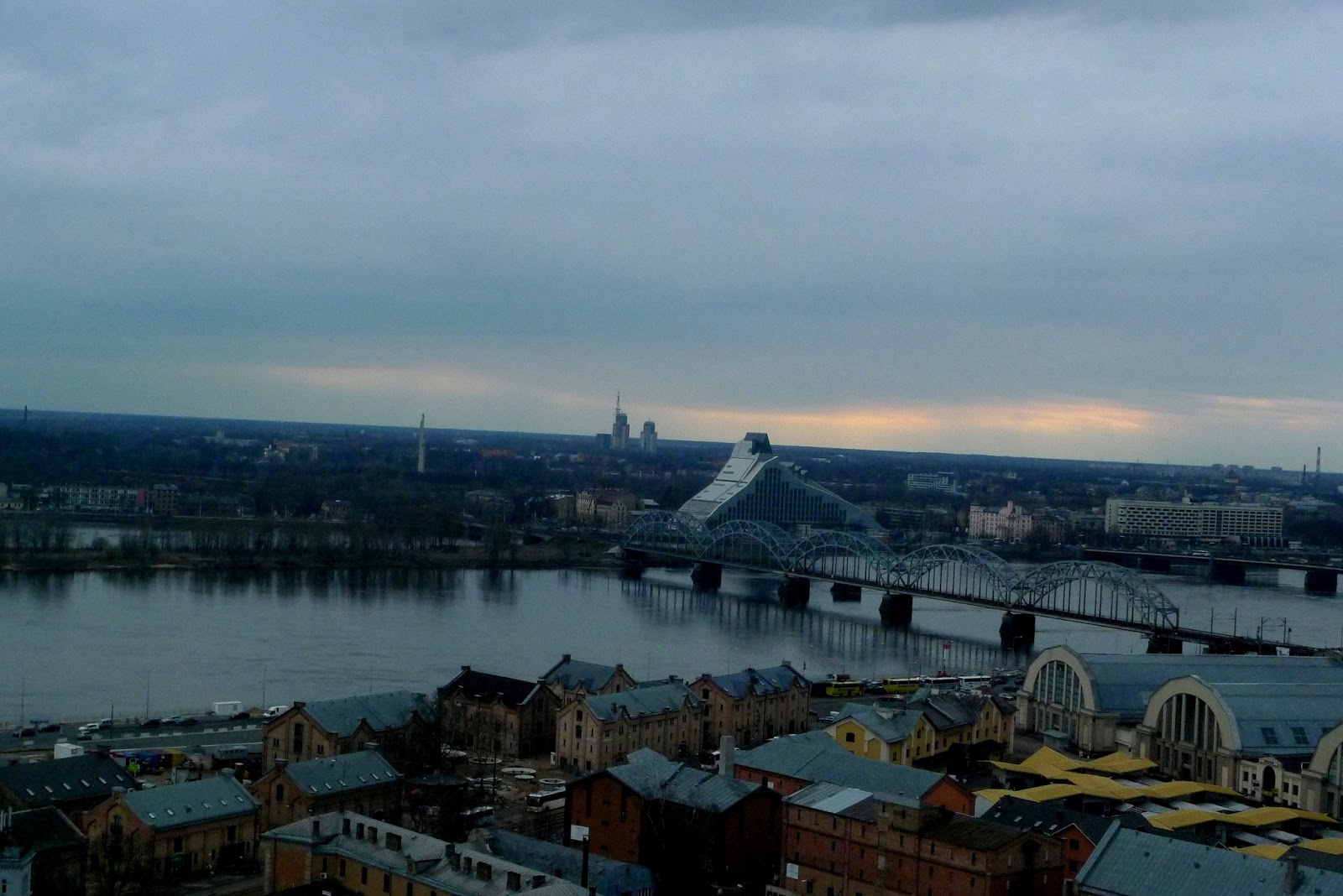
 El valor de este archivo trasciende el valor histórico u académico; posee una particularidad que de repente