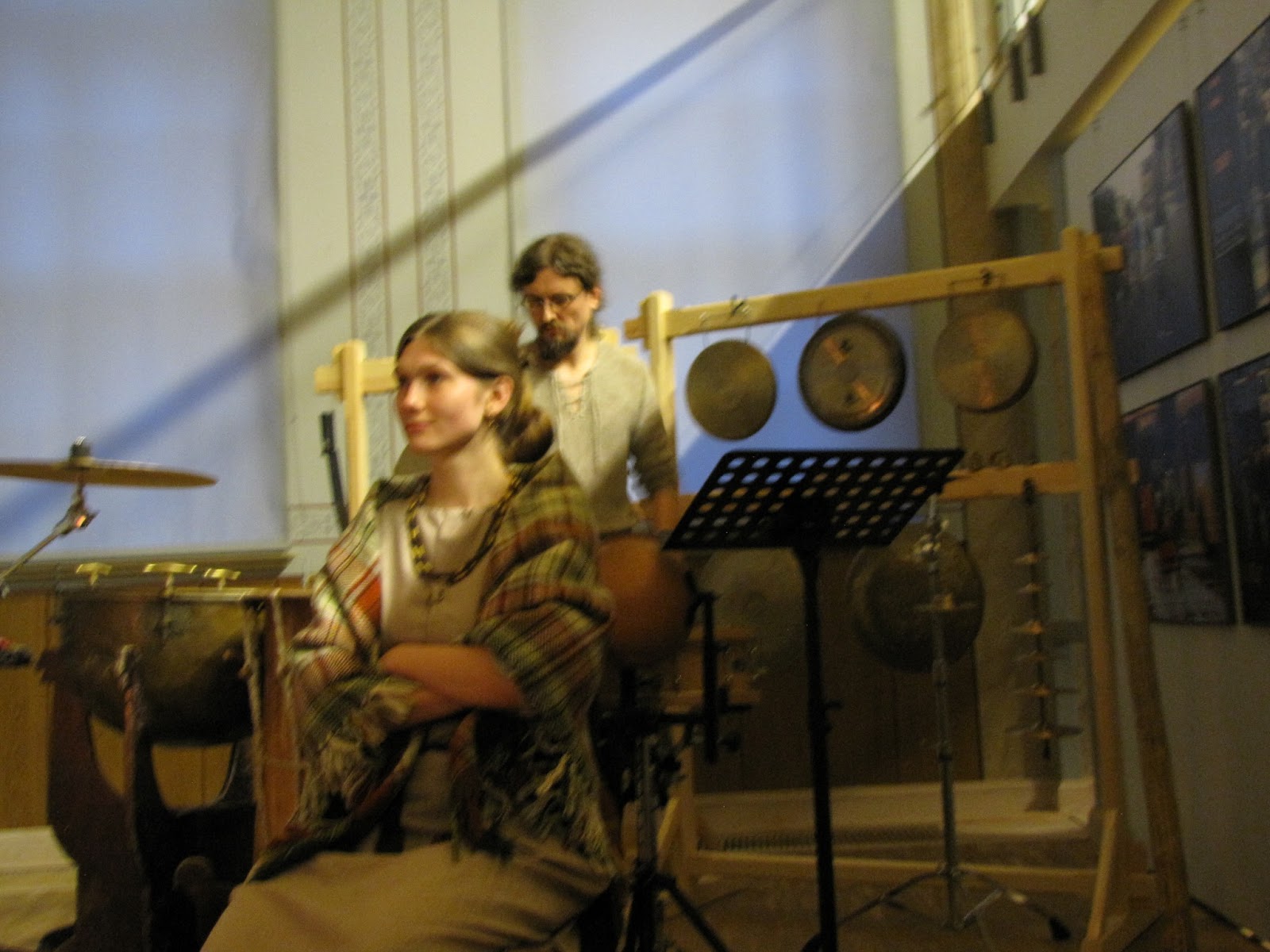
Acabo de llegar de Riga y ya echo de menos mi familia letona. Aquí tenéis la primera parte de una pequeña crónica de lo que han sido estos días maravillosos en los que he participado en el festival de cuentos Ziv Zup. Abajo sigue la traducción en inglés.
I have just arrived from Riga and I am already missing my Latvian family. This is the first part of a little report about these wonderful days in which I took part in the storytelling festival Ziv Zup. This is the translation from Spanish.
25 de abril
Llego a Riga antes de anochecer y tengo la gran suerte de ver la puesta de sol sobre el mar Báltico mientras aterrizamos. En el aeropuerto ya me espera una cara conocida: Guntis Pakalns, con quien coincidí en el Maratón de Guadalajara del año pasado, organizador del festival local
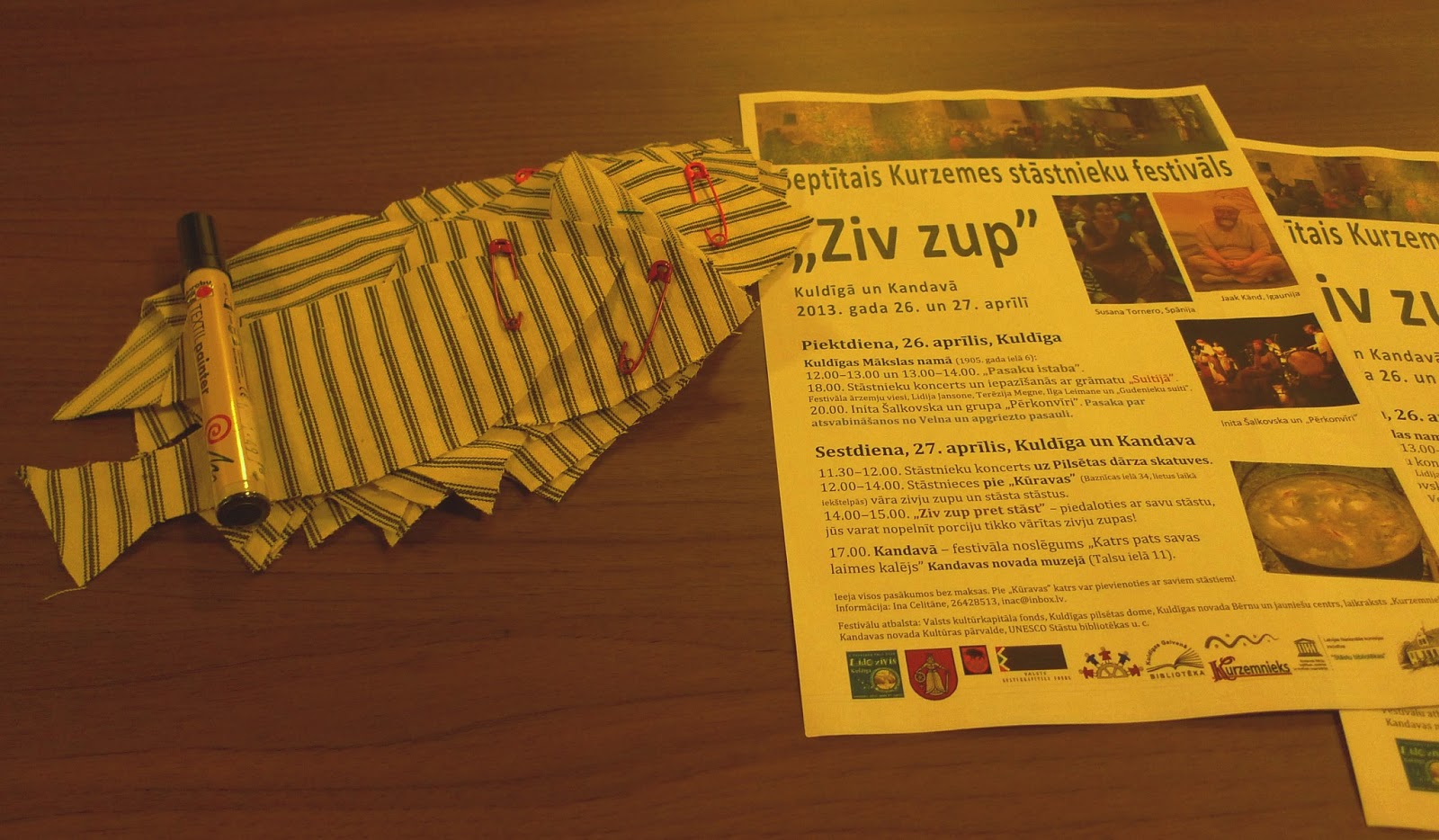
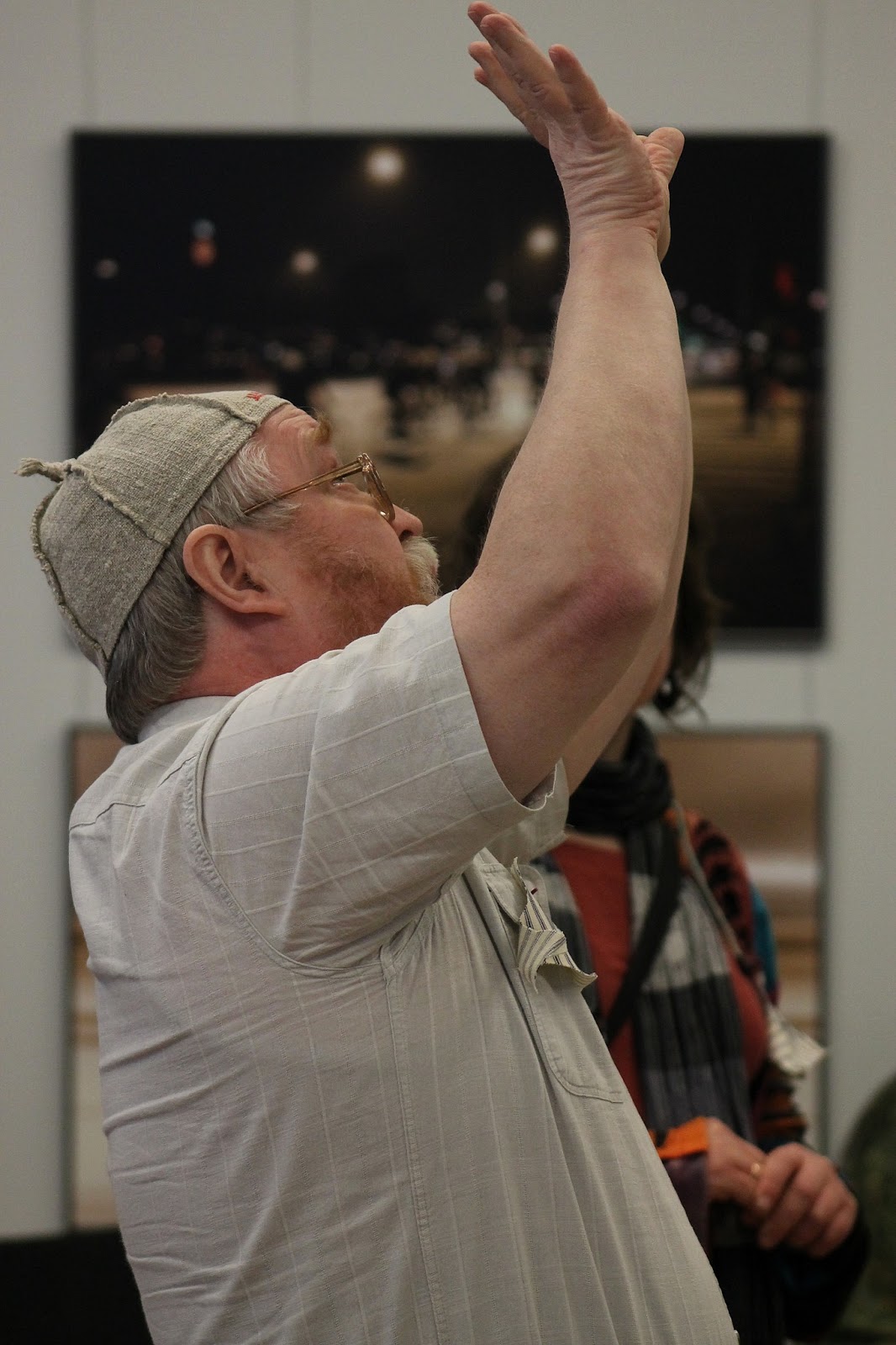
Ziv Zup, además de filólogo, folklorista, narrador y un entusiasta de la tradición oral de su país. Me presenta a
Inita Šalkovska, una joven narradora letona, y también a
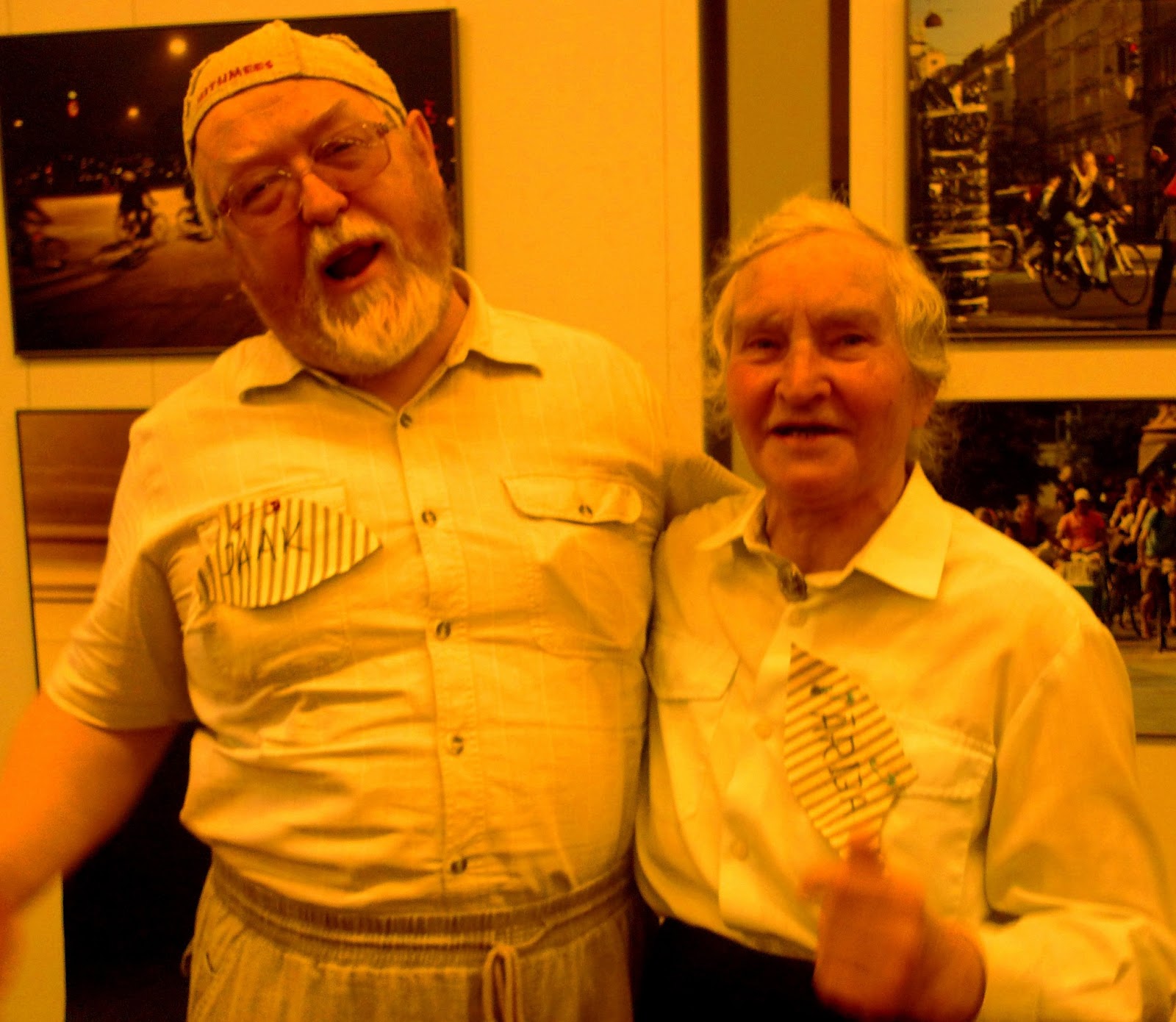
Jaak Känd, narrador invitado de Estonia, y nos vamos directos al coche, pues el camino es largo hasta
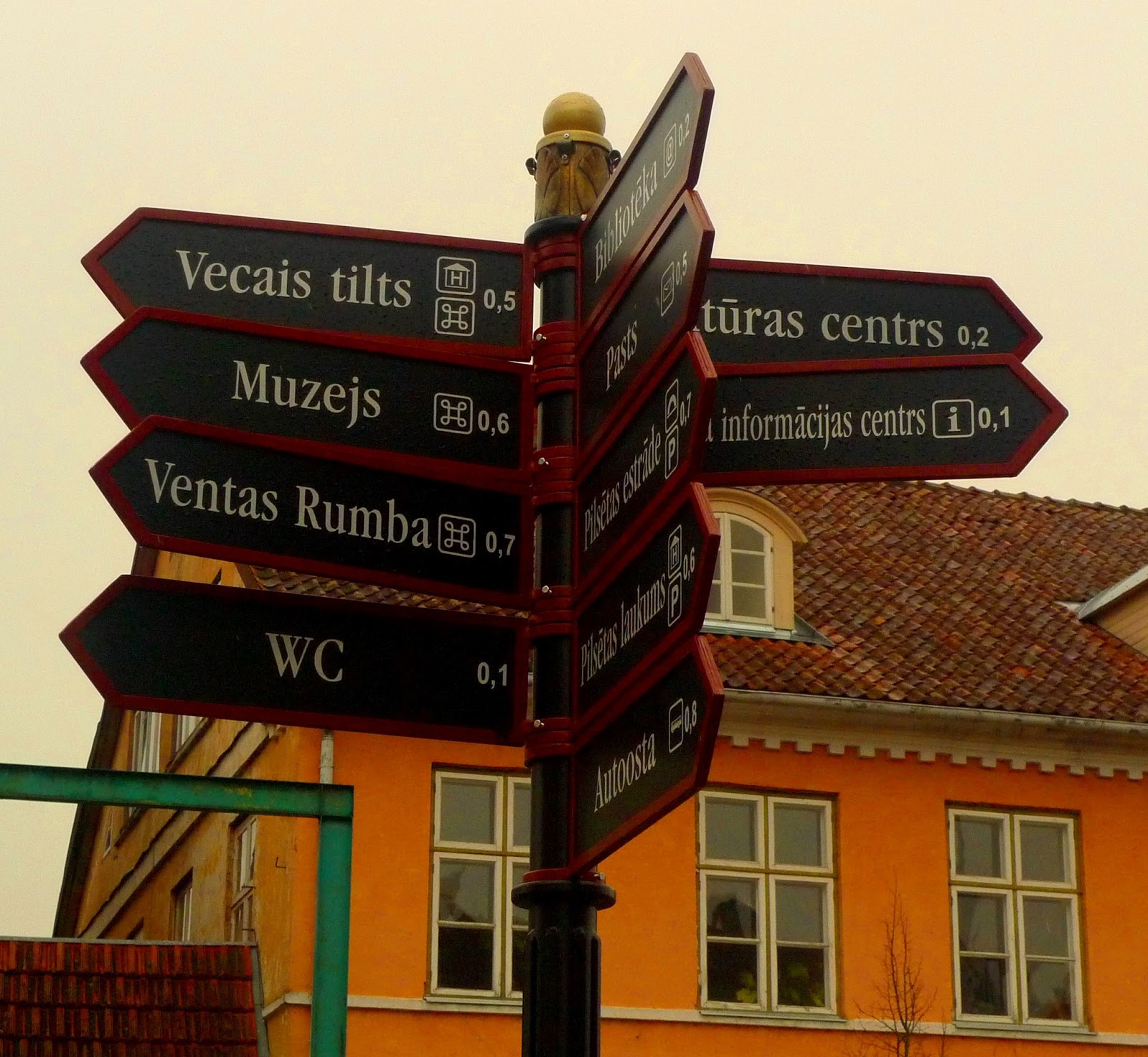
Kuldīga, una población de la región de Kurzeme, lo que se conoce en español como Curlandia, nombre que por su sonoridad me traslada rápidamente al mundo de los cuentos. En el asiento de atrás empezamos a hablar con Inita de cuentos, variantes, motivos… Está estudiando folklore en la universidad y le encantan los cuentos populares, sobre todo los maravillosos. En Letonia la cultura tradicional es muy importante y ha jugado un papel clave en el mantenimiento de la identidad letona durante el periodo de dominio soviético. Se ha hecho una gran labor de recopilación de canciones, leyendas y cuentos tradicionales, y el sistema de clasificación internacional de los cuentos hace las veces de lingua franca. Los folkloristas bromean aquí sobre esto, nombrando los cuentos directamente por el número del índice tipológico en lugar de por el nombre del cuento. Yo soy muy mala con los números, pero he estado chafardeando mi edición de The Types of International Folktales antes de venir, buscando el patrimonio oral común entre España y Letonia. «¿Conoces el cuento de la sopa de piedra?» «¡Claro, tenemos una variante aquí también!» ¿Y el de la barca que navega por mar y por tierra?» «No, pero conozco el del mundo que se volvió del revés.» «¡Qué maravilla! Cuenta, cuenta…». Me ofrecen
bērzu sula: agua de savia de abedul, que se obtiene precisamente en estas fechas, y que según dicen, sirve para preparar el cuerpo para la primavera. «Este invierno ha sido muy largo y la primavera está tardando mucho en llegar». Fuera del coche la temperatura debe ser bajo cero. No importa. En el coche estamos tan animados con nuestra charla que nos olvidamos del frío y perdemos la noción del tiempo, incluso erramos varias veces el camino. Despues de dar unas cuantas vueltas, llegamos por fin al hotel
Virkas muiža de Kuldīga, una casa blanca de madera de lo más confortable. Ya es más de medianoche, así que nos vamos derechitos a la cama, pues mañana el día será largo e intenso, centrado en los cuentos.

25th April
I arrive to Riga before dark and I am very fortunate to see the sunset above the Baltic Sea before landing. In the airport I see already a familiar face: Guntis Pakalns, who I had the opportunity to meet at the Guadalajara Storytelling Festival. He is one of the organizers of the local festival ZivZup, as well as philologist, folklorist, storyteller and an ardent supporter of oral tradition in his country. He introduces me Inita Šalkovska, a young Latvian storyteller, and Jaak Känd, Estonian storyteller invited to the festival, and we go straight to the car, as we have a long way to Kuldīga, a town in the Kurzeme region, known in Spain as Curlandia, a resounding name that brings me quickly to the world of stories. In the back seat we begin to talk with Inita about folktales, variants, motifs… She is studying folklore at the university and she loves folktales, especially fairy tales. In Latvia cultural tradition is very important and played a key role in keeping Latvian people’s identity during the times of soviet domination. Latvians have done an extraordinary job collecting folksongs, legends and folktales, and the international classification system of folktales is a sort of lingua franca for us. Folklorists make jokes about this, mentioning tales from its typological number instead of the name of the story. I am really bad for numbers, but I was looking over my edition of The Types of International Folktales before coming, searching for stories shared by Spain and Latvia. «Do you know the story ‘The Soup Stone’? » «Of course, we have a variant here as well! » «And what about ‘The Land and Water Ship’? » «No, but I know the story of the world that turned inside out. » «Wonderful! Tell me, please…» They offer me bērzu sula: water of birch tree. It is obtained just these days from birch trees, and it is said it helps the body to prepare for spring. «It has been a long winter and spring is coming very late. » Outside the temperature must be minus something. Who cares! In the car we are in high spirits, and with the conversation we forget the cold and even the notion of time, and we miss our way a couple of times. After some detours, we arrive finally to the Kuldīga hotel ‘Virkas muiža’, a white wooden house, it looks really comfortable. It is past midnight, so we go straight to bed: tomorrow will be a long and intense storytelling day.

26 de abril
A la hora del desayuno, después de probar unas deliciosas gachas (putra) con mermelada de bayas, aparecen más historias: la contraseña del hotel es el nombre de una baronesa que se enamoró de un mozo de cuadra, un amor imposible en aquella época. Dice la leyenda que cuando los amantes intentaron huir a caballo, cayeron al río y se ahogaron. Pero cuenta Inita que la propietaria del hotel, la narradora Inese Šmukste, le dijo que una mujer alemana que se hospedó aquí, al escuchar la historia, replicó: «No, esta historia no es así, mi abuela me la contaba de pequeña, pues era de esta región. La baronesa y el mozo se casaron y tuvieron cinco hijos, pero se les excluyó socialmente. Puede que por eso se hiciera circular la historia de que murieron ahogados.»
Qué curioso… una historia se fue y volvió de nuevo. Y es que esta zona estuvo bajo dominio alemán mucho tiempo, y las historias circularon de acá para allá. Parece que este pueblo esconde una historia en cada esquina. Seguimos hablando de cuentos, de idiomas… Descubro que pese a la proximidad geográfica, el letón y el estonio no son idiomas intercomprensibles. Pero Guntis ha pensado en todo: se reúne con nosotros Agata Babina, que está cursando un máster de Estudios Hispánicos en la Universidad de Riga y habla español e inglés con fluidez. Ella se encargará de traducir mis cuentos del español y los de Jaak del inglés.

Enseguida salimos hacia el castillo de
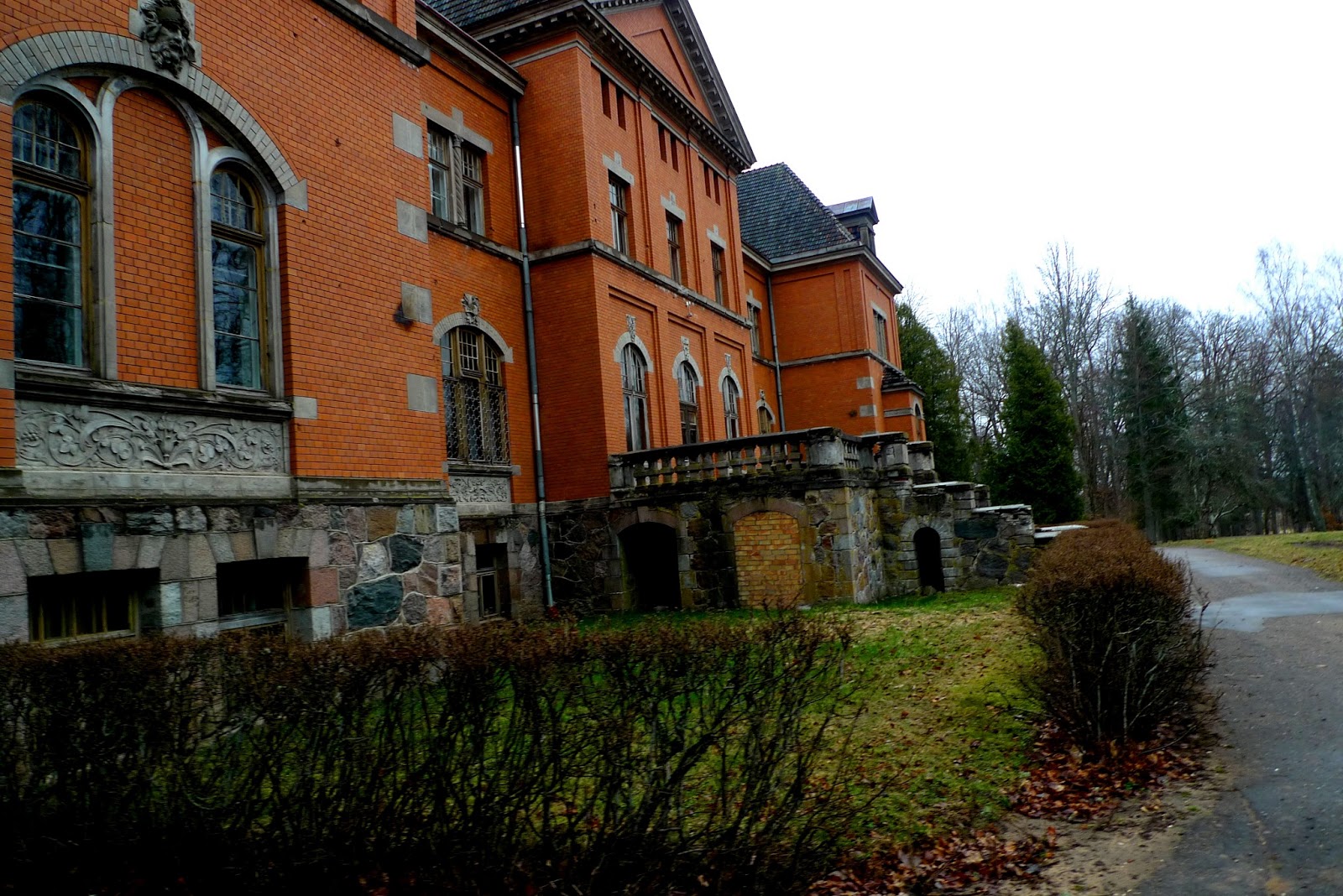
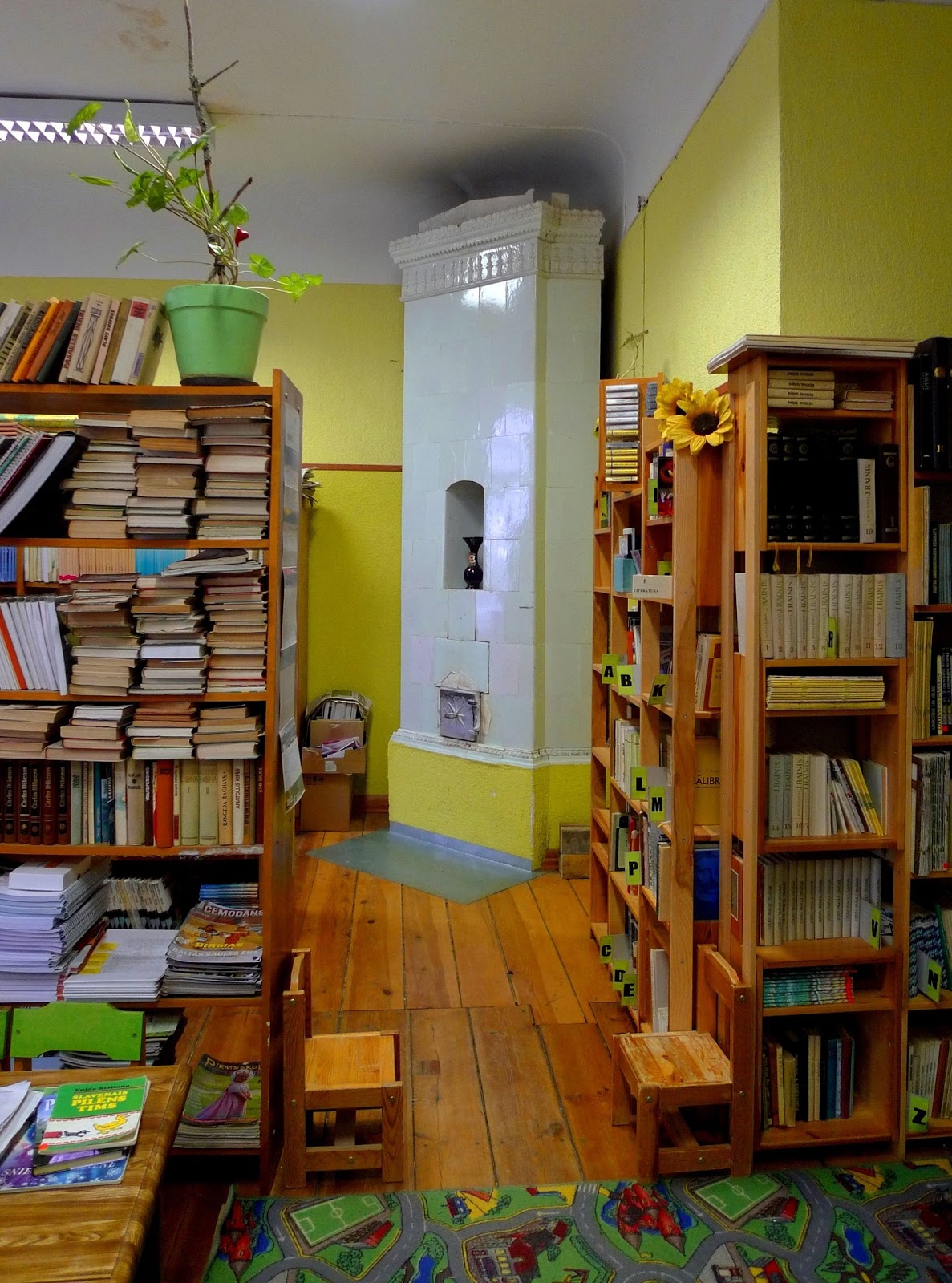
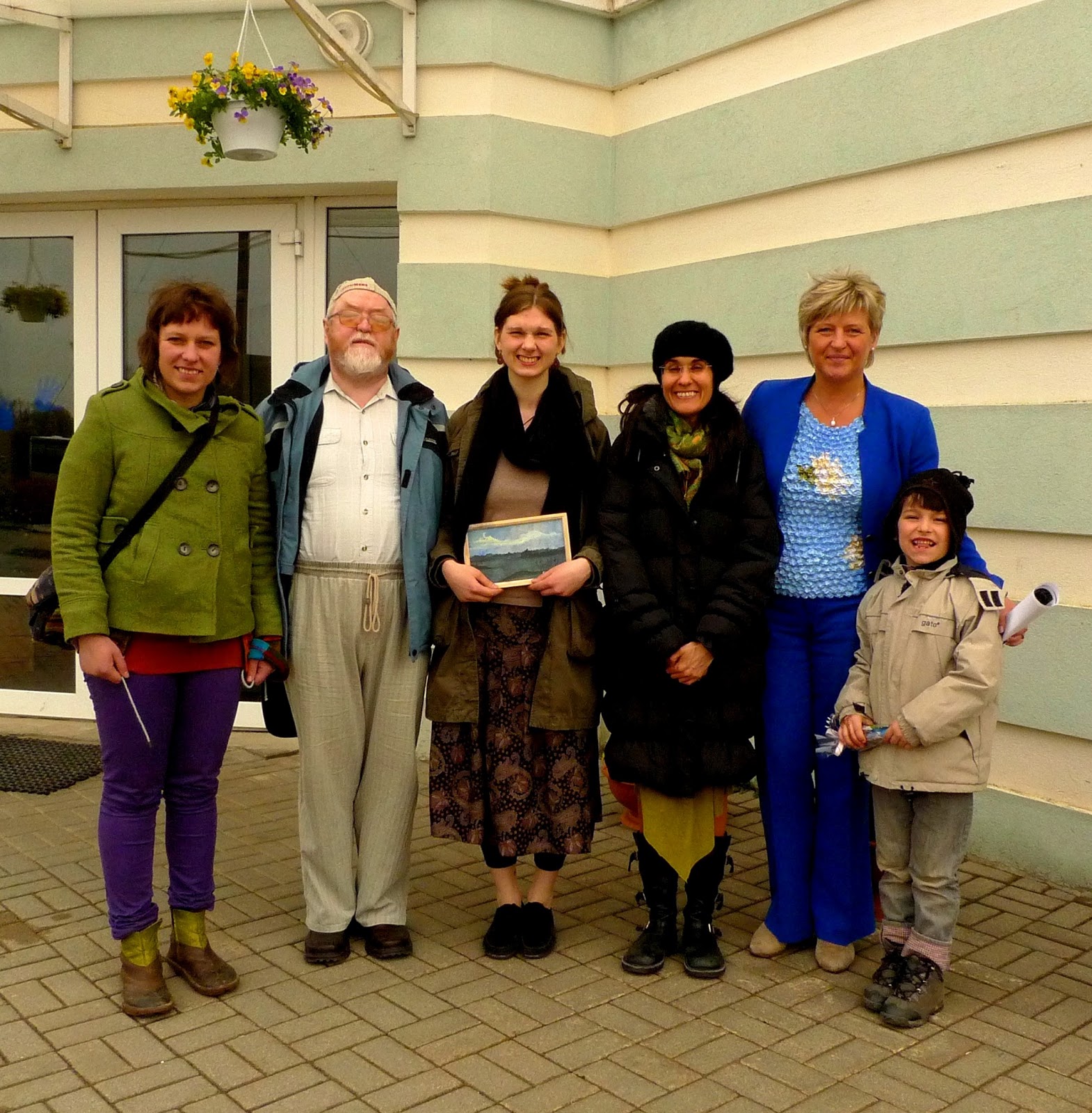
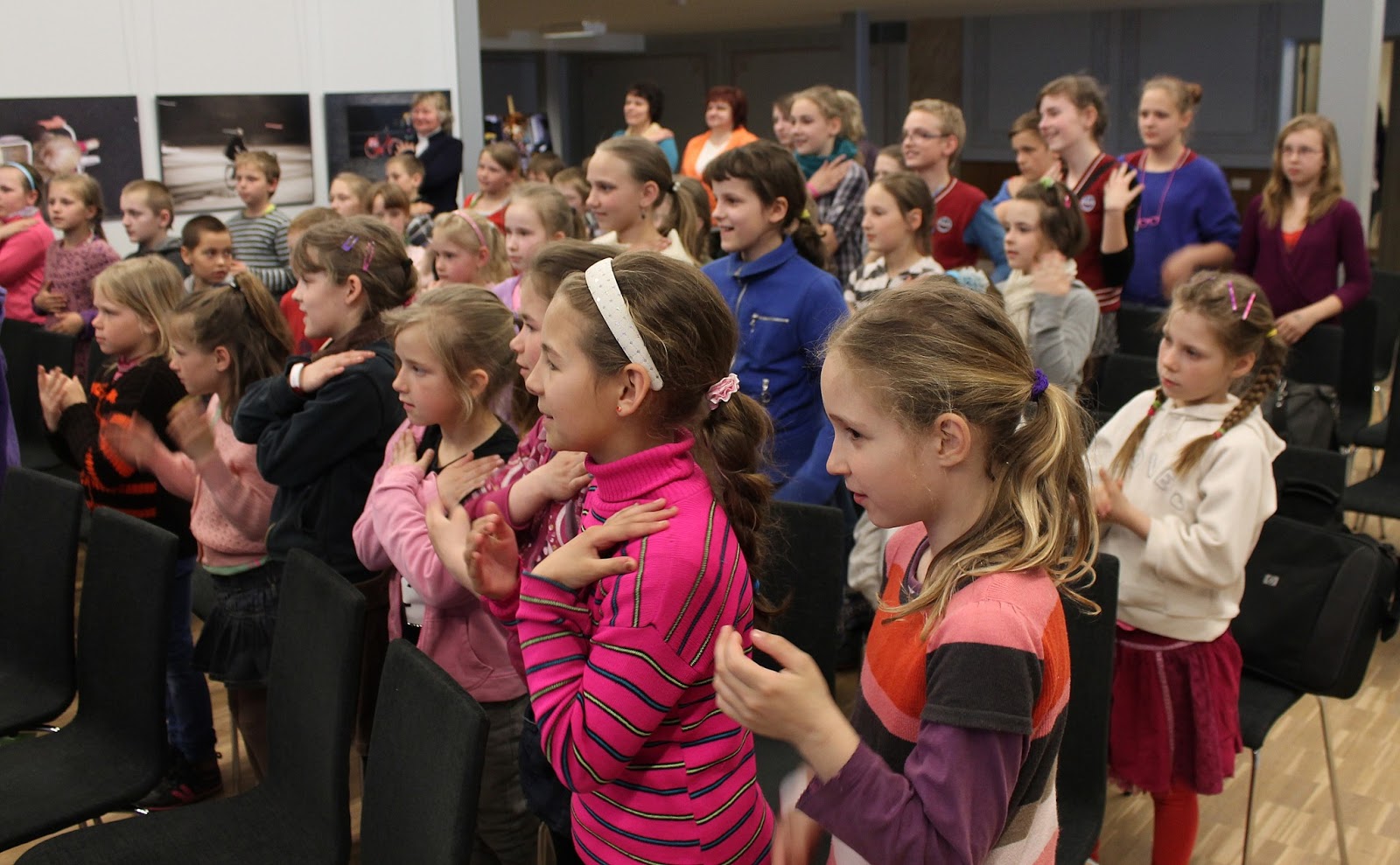
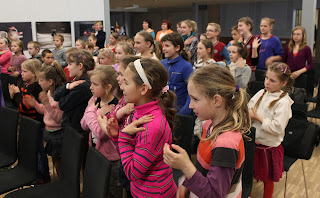
Pelči, un misterioso edificio que alberga una escuela para niños con discapacidad. Visitamos la confortable biblioteca infantil y descubrimos que el caserón tiene un montón de rincones donde jugar al escondite. No tiene un fantasma, pero en el cementerio vecino a veces se ha visto pasear una dama de blanco que podría ser el espíritu que habita el castillo. Y es que en Letonia hay una especial predilección por los cuentos de fantasmas, especialmente por parte de los niños. En la sala de actos del edificio anexo ya nos esperan para escuchar cuentos: aquí suelen venir narradores, e incluso algunos niños de la escuela cuentan también, así que nos reciben con entusiasmo. Y con razón dicen que este país es una «nación de cantantes», pues enseguida se apuntan a corear el «bombombom birlibom birlibom» que cantan el abuelo, el niño y el pollino. Ágata hace un gran trabajo para que los cuentos lleguen a todo el mundo, y al acabar la sesión nos regalan a cada narrador un precioso cuadro pintado por los pequeños artistas de la escuela.

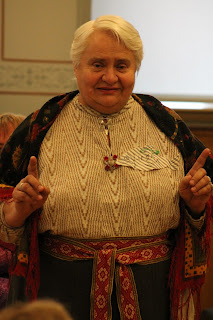
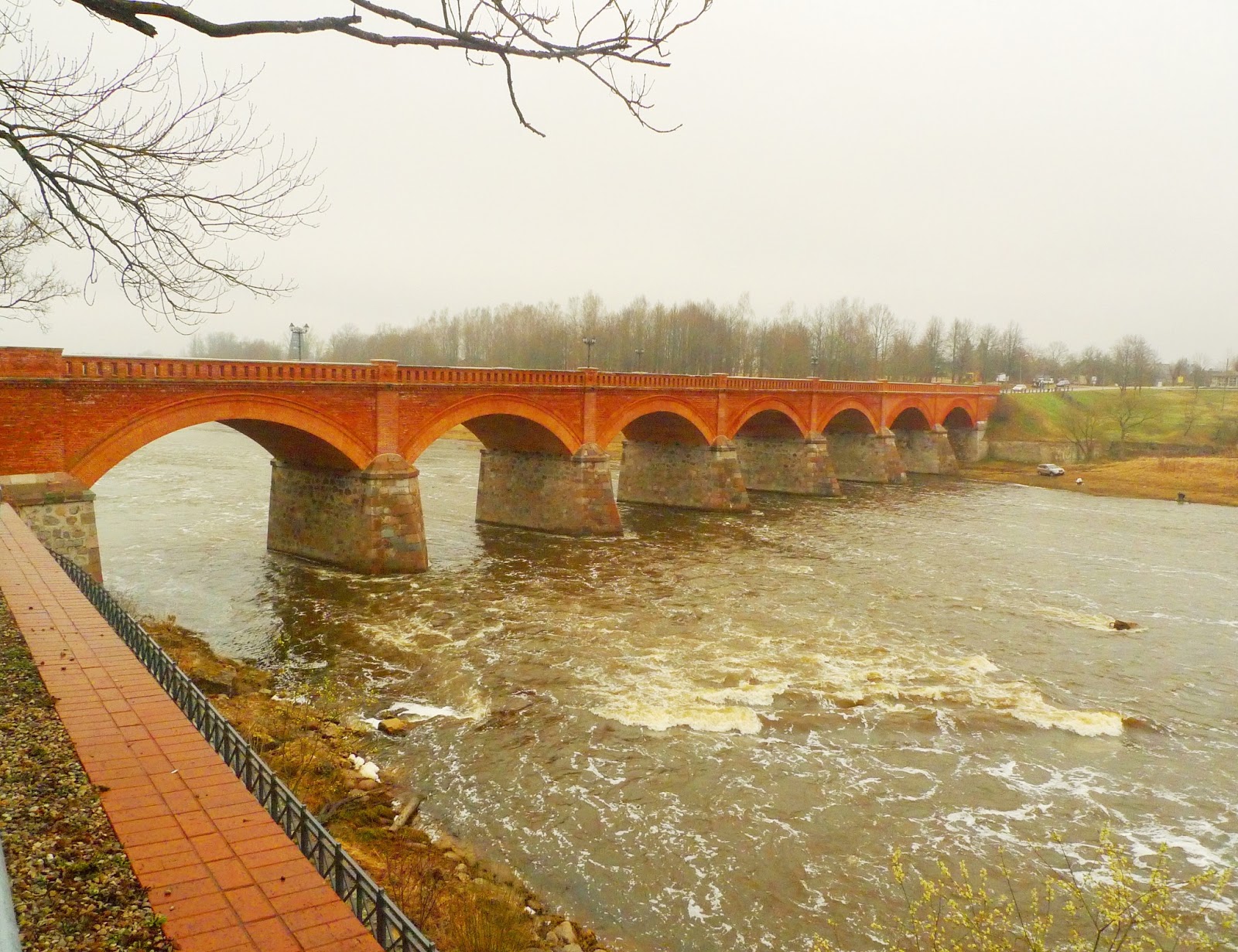
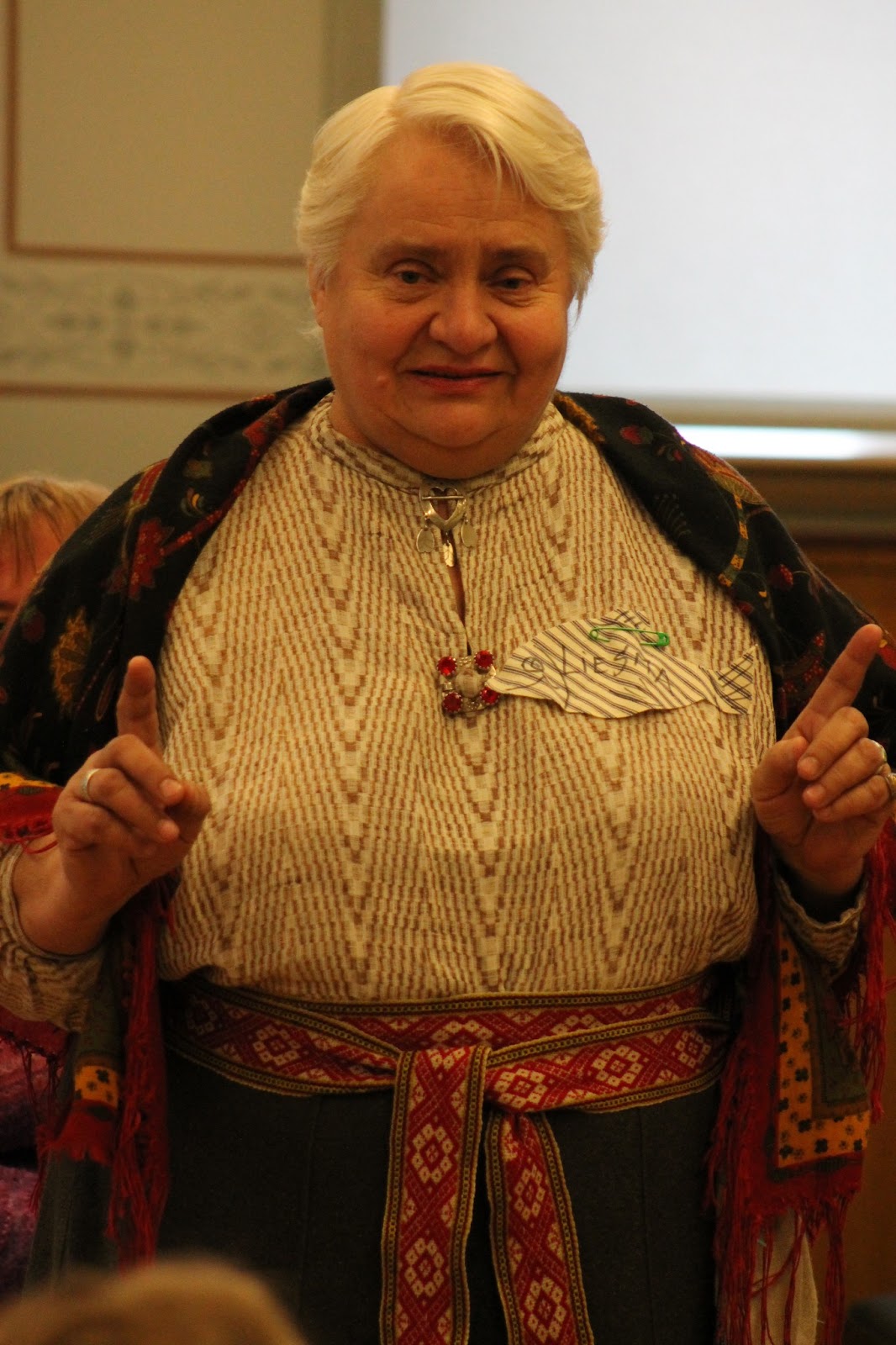
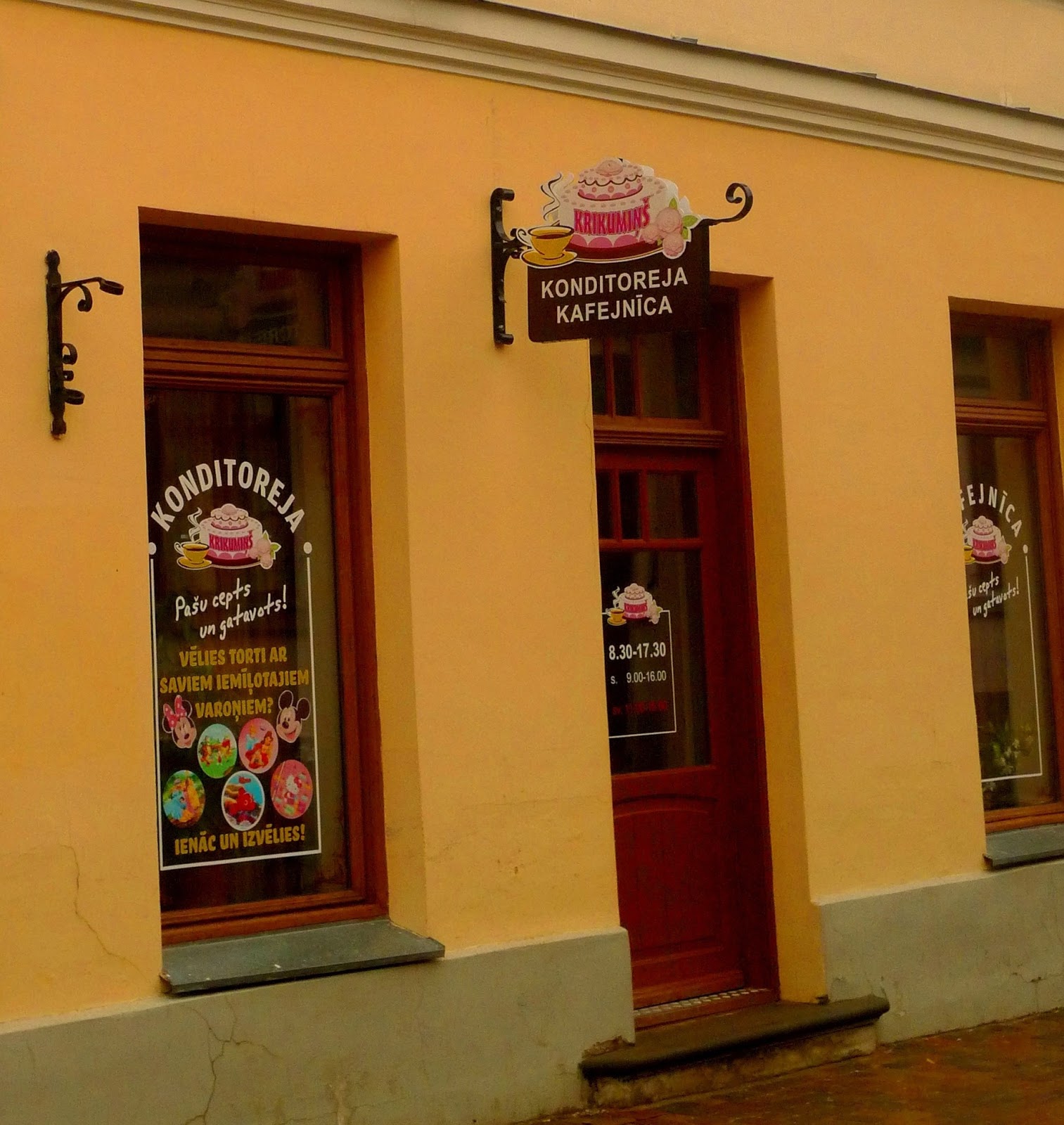
Nos vamos corriendo hacia la Biblioteca de Kuldīga, donde tenemos dos sesiones para niños con otras narradoras de la localidad. Kuldīga es una pequeña ciudad de la región de Kurzeme donde parece que se haya detenido el tiempo. La gente se conoce, se saluda por la calle, se detienen a hablar, hay un sentimiento de pertenencia, de comunidad. Aquí es precisamente donde hace 7 años se llevó a cabo como parte de un proyecto Grundtvig, ‘El desarrollo de las capacidades narrativas de los adultos: una perspectiva europea’ (2006-2008), un programa de narración para personas mayores. Este programa permitió descubrir algunas narradoras maravillosas y formar una verdadera comunidad de narración. Llegamos y los cuentos ya han empezado, así que nos unimos al grupo de narradoras. Tengo la suerte de escuchar la historia de la hija de la Madre Agua del río Venta (contada por Guntis en el Maratón de Guadalajara y que explica el misterio de los peces voladores del río Venta) de boca de la propia Liesma Lagzdiņa, una mujer que conoce todas las historias de la región y las cuenta con sencillez y frescura. Los gestos son sencillos y austeros. Esto es algo que según me comentó Guntis, le chocó bastante cuando estuvo en Guadalajara y vio a narradores de otros lugares, que empleaban más recursos teatrales o escénicos. Pero la austeridad báltica viene sazonada por la hermosa musicalidad del idioma letón, y a pesar de no conocer el idioma, al preguntar luego sobre los cuentos, veo que he entendido lo que los gestos indicaban. Gestos austeros y precisos que cumplen su cometido.
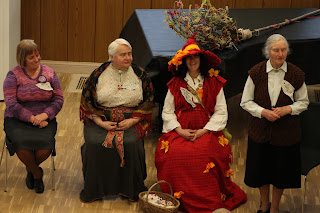
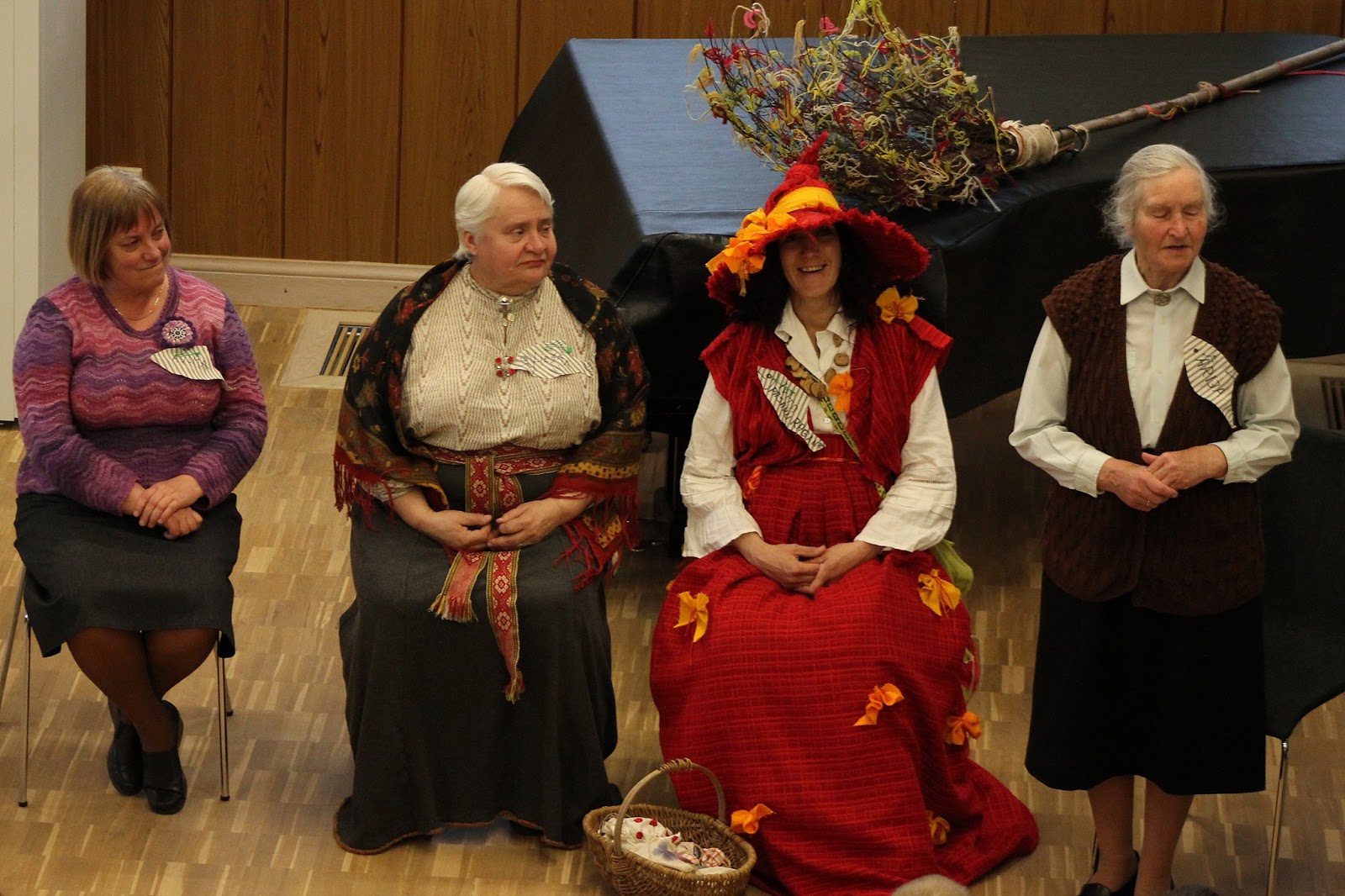
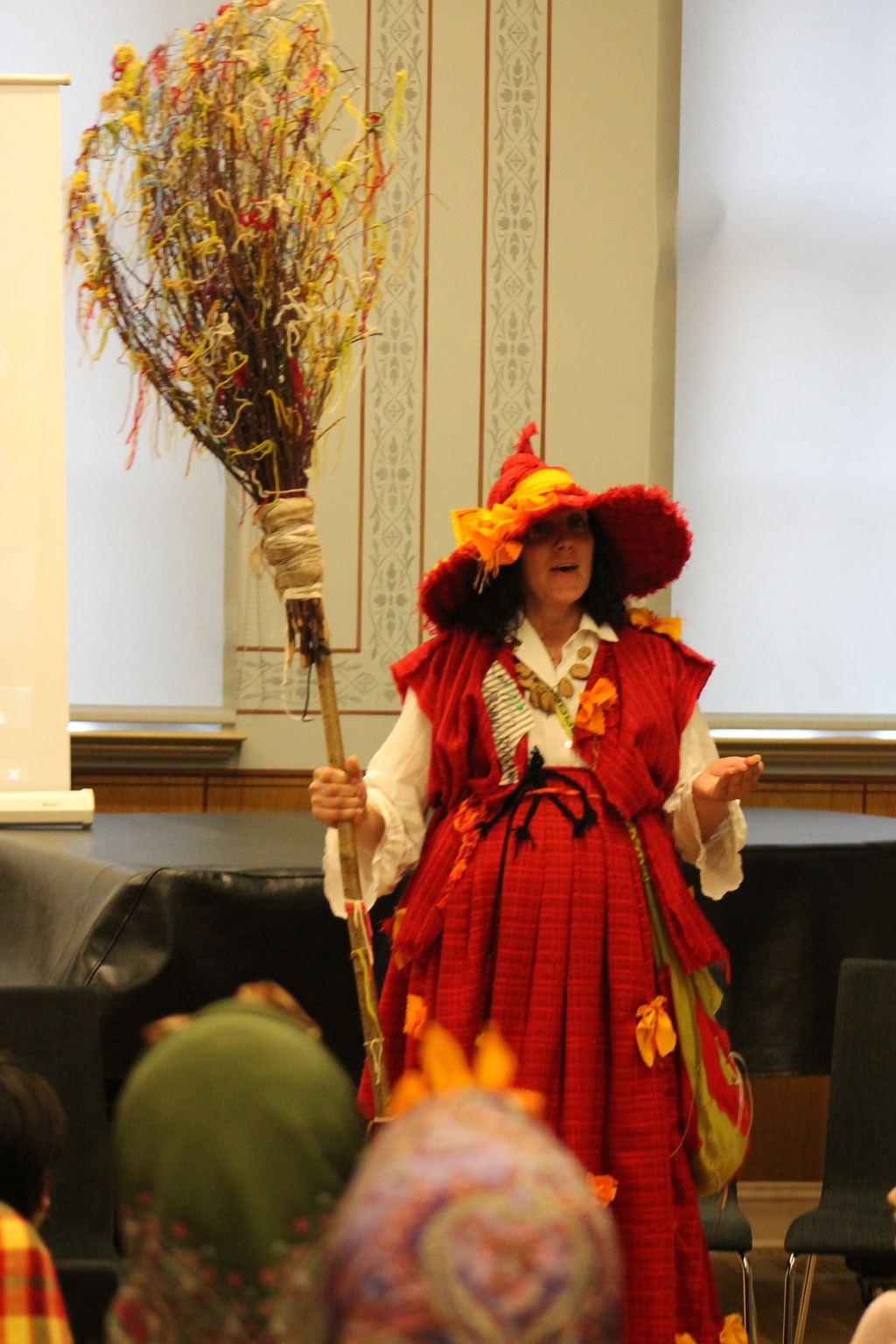
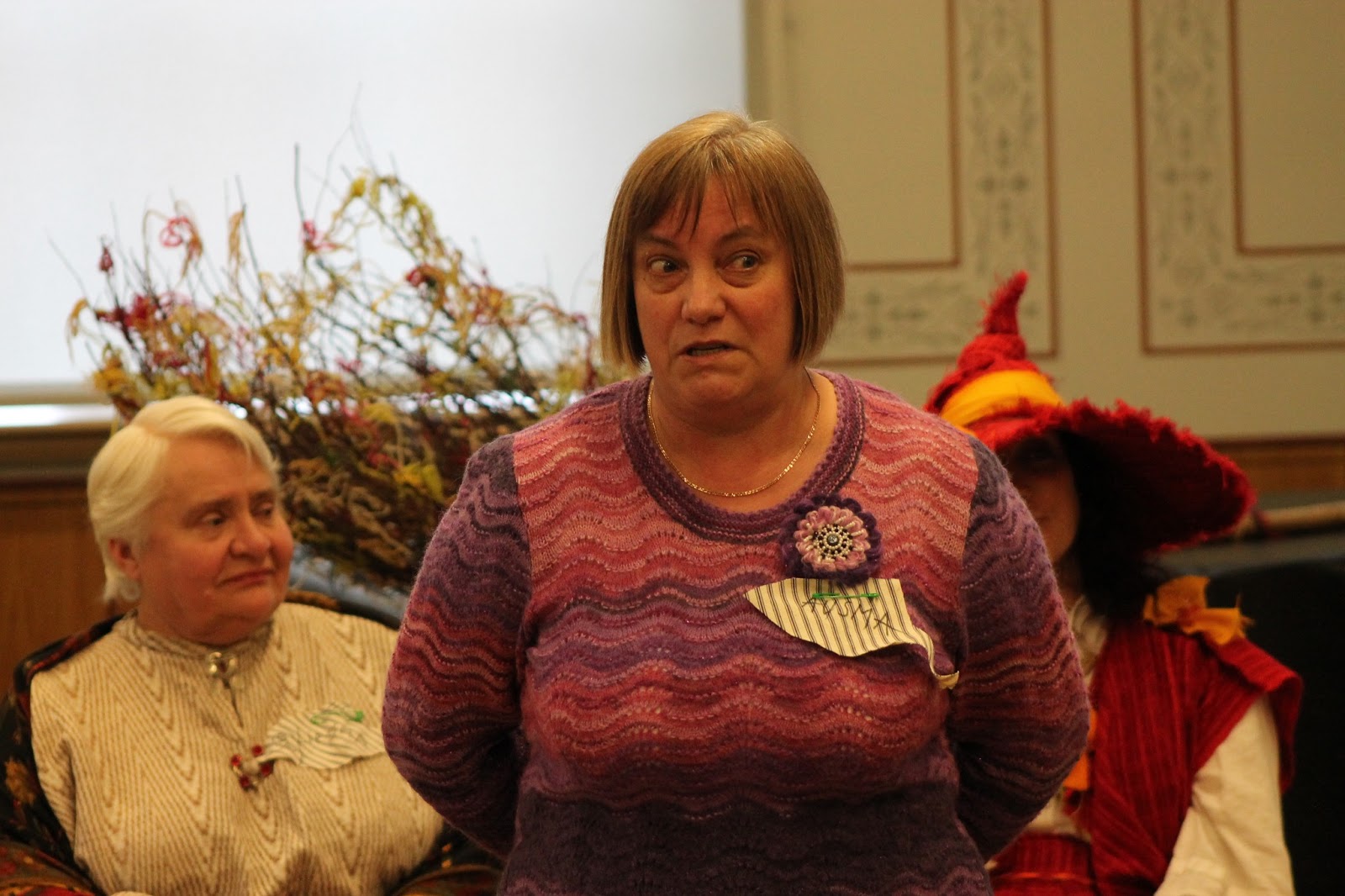
Escucho también a otras narradoras: Ārija Klēvere, Ausma Lūse e Ivita Kalnozola-
Kalsere, más conocida como Pasaku Ragana, «La bruja de los cuentos», de quienes os hablaré más adelante, pues podré escucharlas varias veces y en diferentes situaciones.
Inita, Jaak y yo nos unimos al grupo de narradoras y añadimos nuestro granito de arena con alguna historia. La historia de Jaak y su nieta me recuerda a los veranos que pasaba en casa de mis abuelos, donde imaginábamos mundos paralelos. Inita también cuenta una historia de risa y entiendo la palabra putra que he aprendido por la mañana en el desayuno. Seguimos con las historias y hasta un niño se anima y cuenta un cuento. Todo el mundo está preparándose para ganarse la escudilla de sopa de pescado del día siguiente.
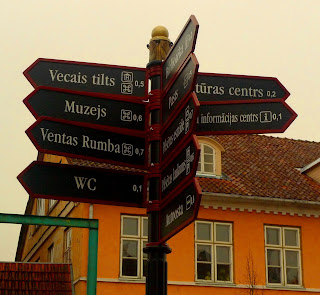
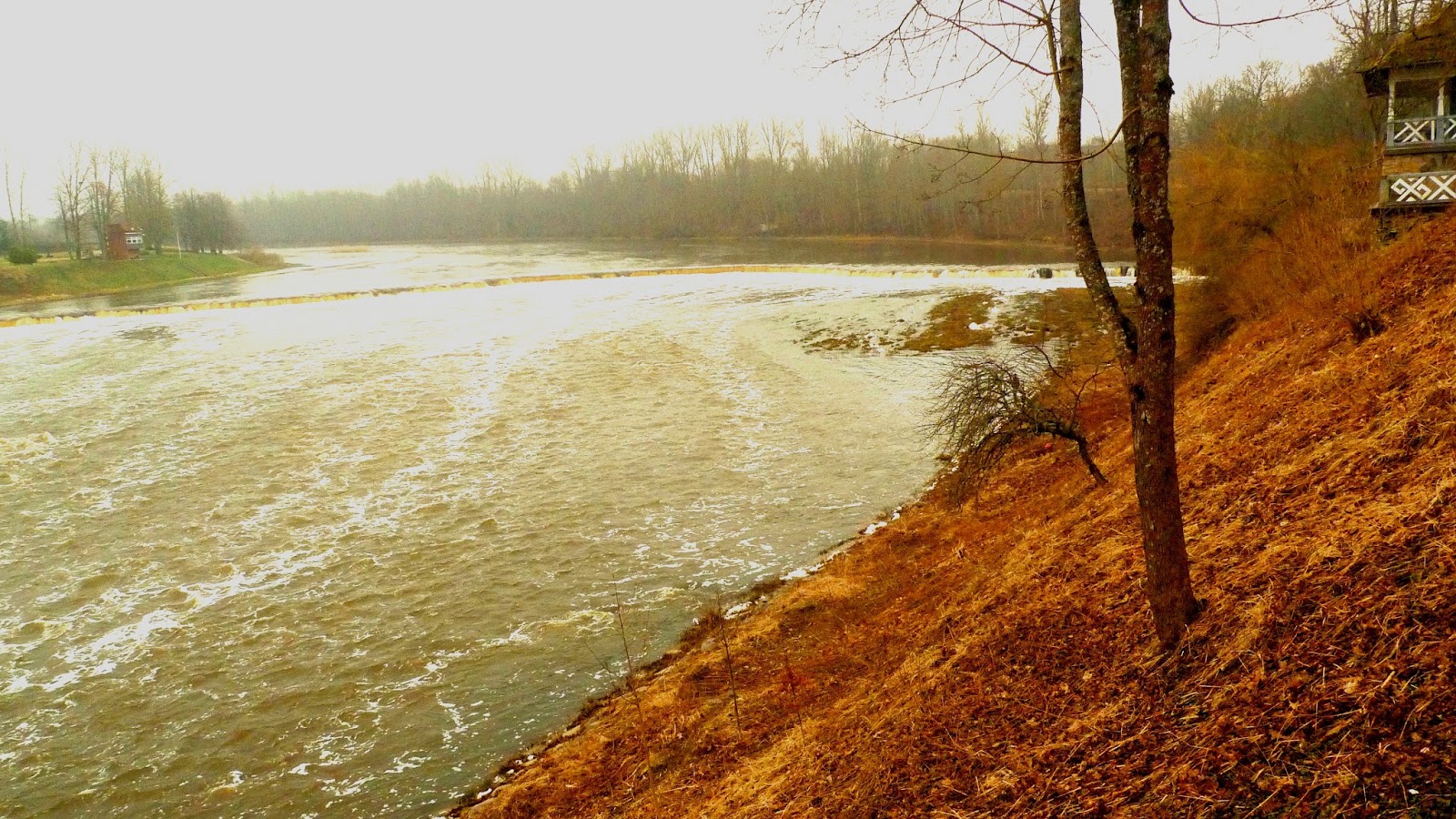
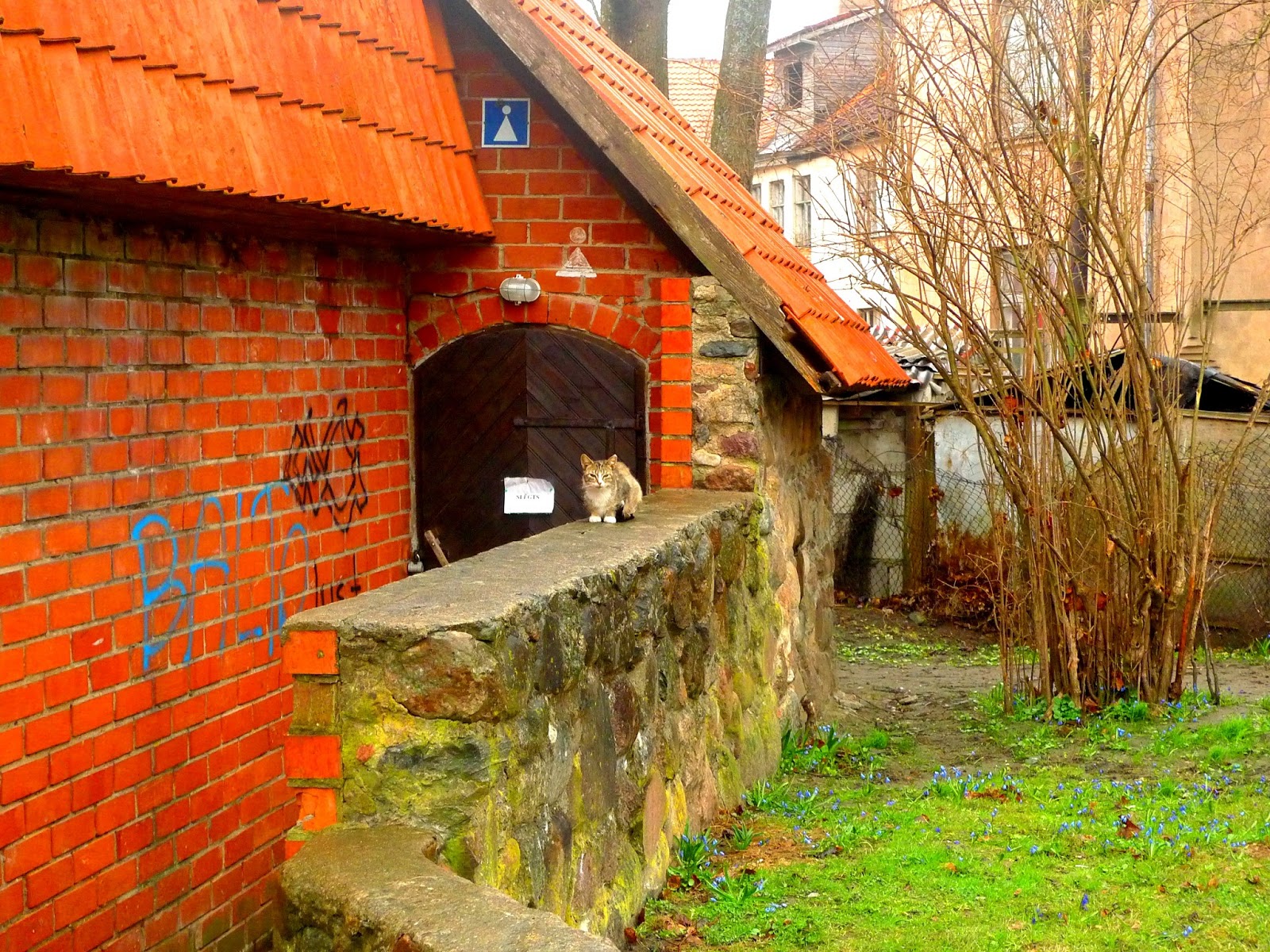
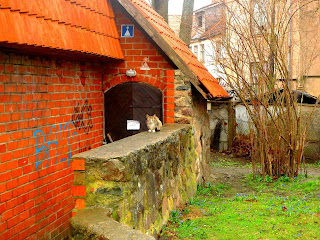
Después de la sesión comemos y aprovechando que la lluvia nos da una tregua, vamos a visitar la localidad de la mano de Liesma, que conoce el pueblo palmo a palmo, historia a historia. Dice la leyenda que una mujer se volvió loca cuando su prometido apareció muerto poco antes de la boda. Desde entonces se dedicó a coleccionar gatos, aislada del mundo, y todo el mundo empezó a llamarla Katalina, pues coleccionaba gatos (kaķis en letón). Finalizamos el paseo en la cascada del río Venta, para observar los peces voladores, llamados vimba, que dan unos espectaculares saltos, intentando salvar el desnivel de la pequeña cascada. Después de ver algo así es imposible no creer en las maravillas. Si queréis, un día os contaré la historia de la hija del río Venta y el misterio de los peces voladores, aunque no sé si le podré hacer justicia.

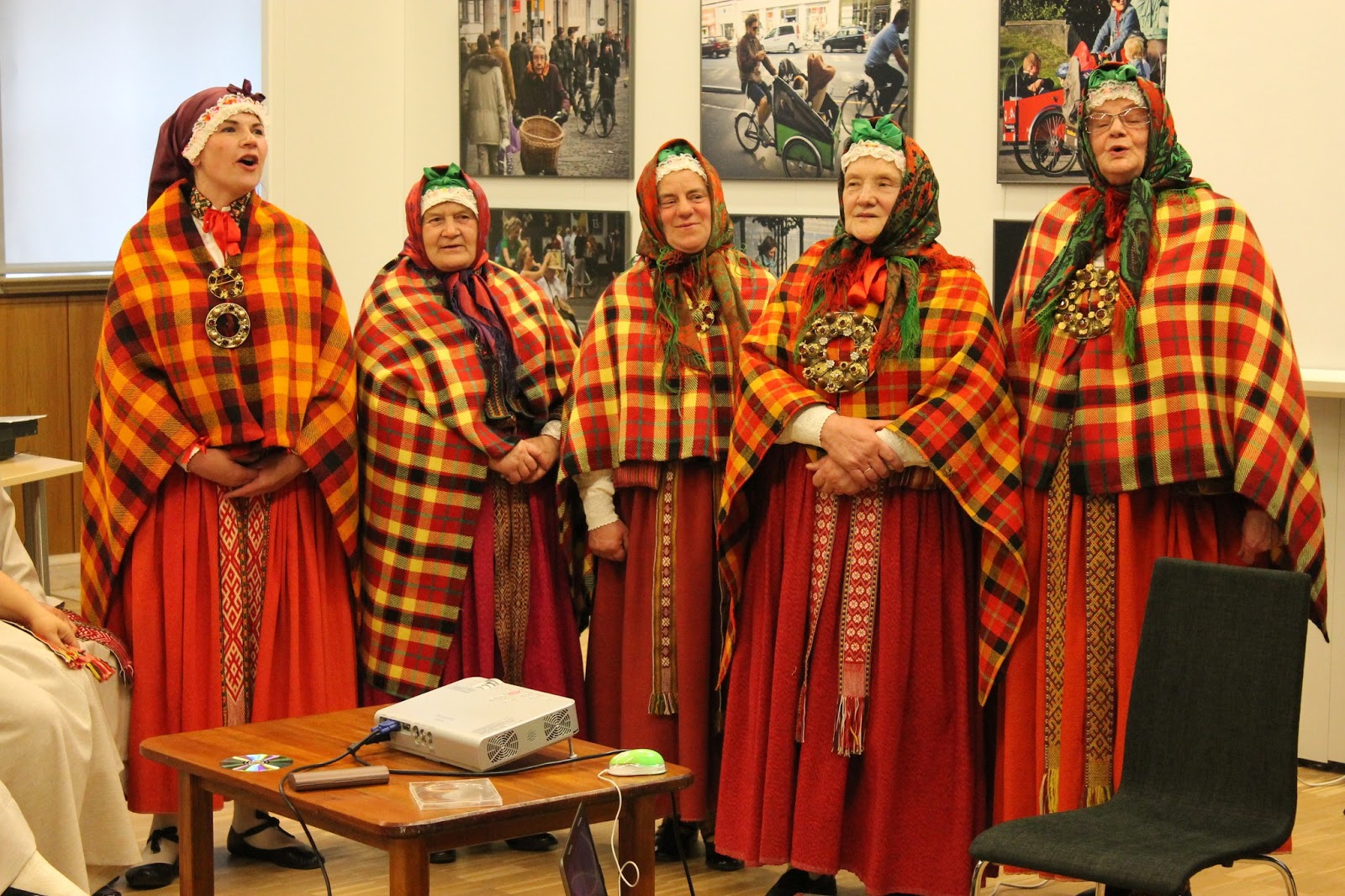
Después de una charla informal en la que intercambiamos experiencias sobre la narración alrededor de una taza de café, y donde por fin conozco a Māra Mellēna, una de las promotoras del movimiento folklóriko infantil en Letonia, volvemos a la biblioteca, donde ya ha llegado la representación de la comunidad suiti.
Los
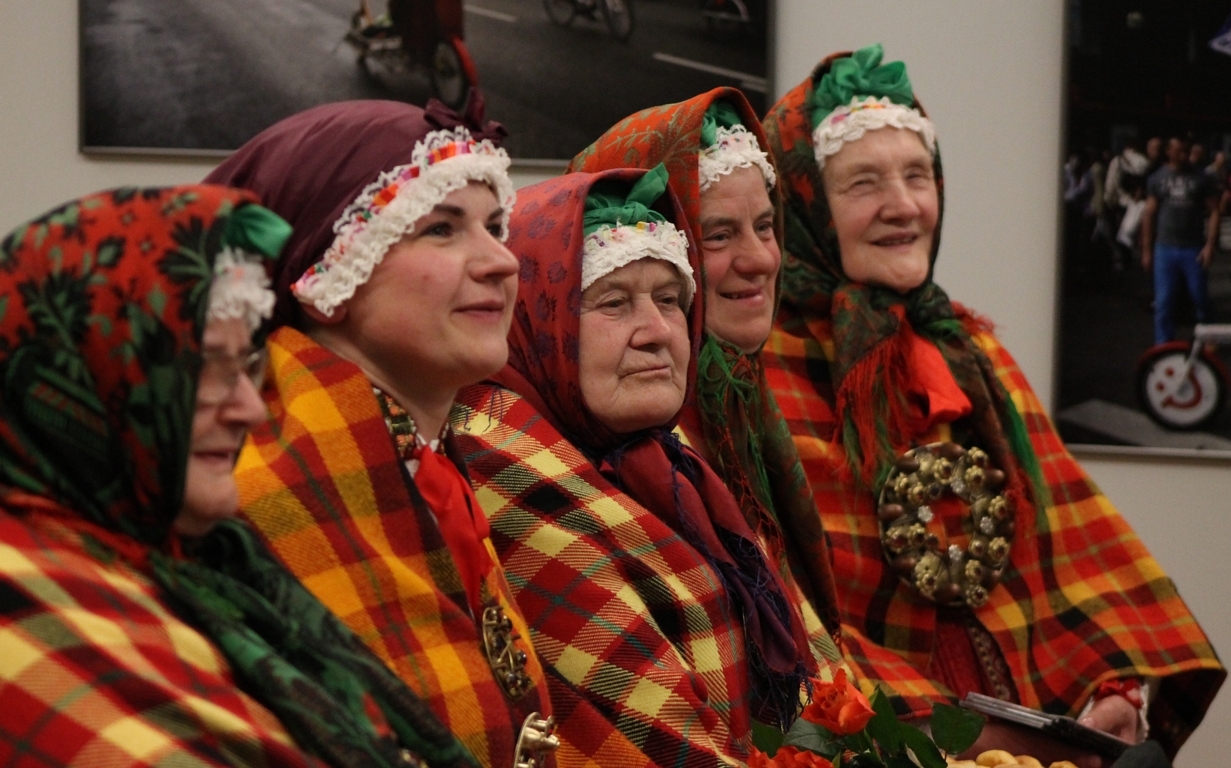
suitis son una pequeña comunidad católica que han conservado intactas sus tradiciones. Se les conoce en especial por un canto popular llamado
burdon que suelen interpretar las mujeres, con temas de tipo humorístico, que ha sido reconocido como parte del Patrimonio Cultural Intangible de la Humanidad por la UNESCO. Sin embargo, hasta ahora no se habían recopilado sus cuentos. Pero parece ser que finalmente se han puesto manos a la obra y los han recopilado en un libro acompañado de CD que se presenta hoy: SUITIJA, por lo que es un paso importante.
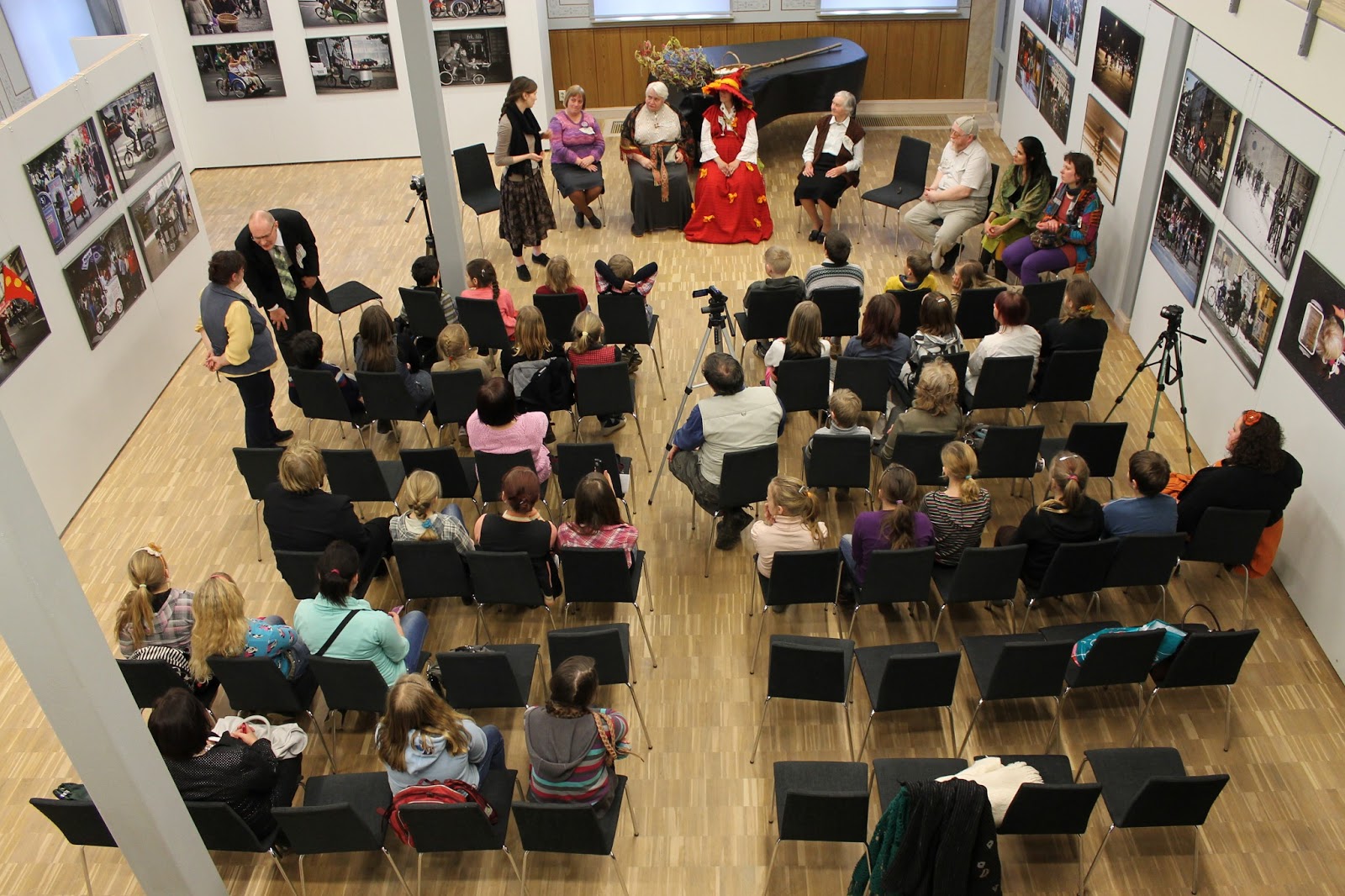
La sala de actos de la biblioteca se llena de gente, los narradores ofrecemos algunos cuentos, las mujeres
suitis nos obsequian con sus cantos y todo el mundo se echa a reír al escucharlas, mientras el destinatario de los versos recibe las burlas con una sonrisa. Se hace difícil conseguir una traducción, pues nadie puede aguantarse la risa y traducirme con claridad.
Lo que queda claro es que todo el mundo se lo pasa en grande con estos cantos irreverentes, un gran ejemplo de fusión, y me alegra ver que sigue siendo una tradición viva y amada por todos. Supongo que a la iglesia no le hará tanta gracia, pero la cultura tradicional no tiene que nada que ver con lo políticamente correcto. Quizá por eso siempre se la haya considerado algo menor, poco importante. Pero ahí radica también su fuerza, su pervivencia en la memoria de la gente.
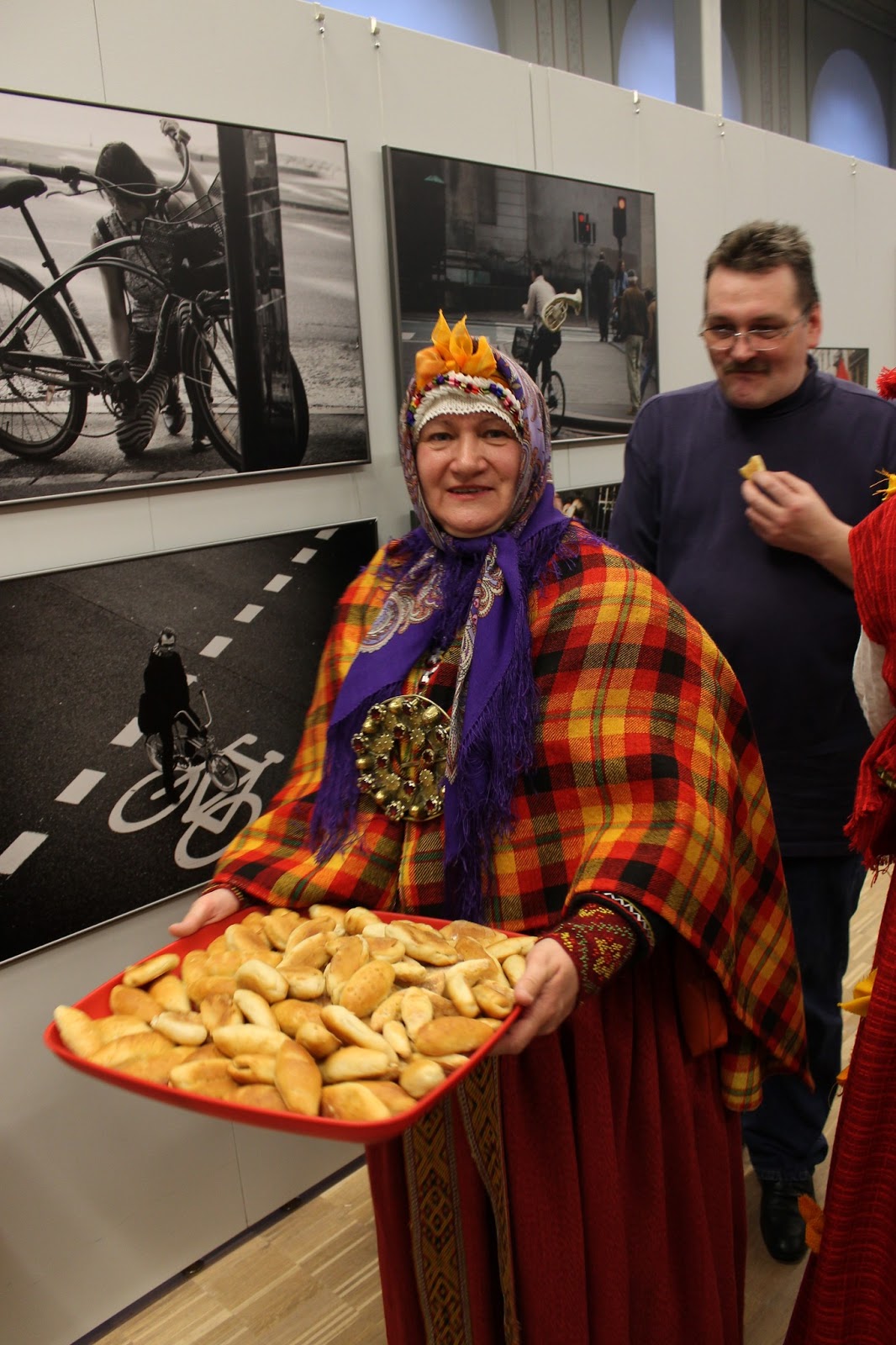
Luego compartimos un delicioso refrigerio: pan de centeno con diferentes pescados ahumados, unas pequeñas empanadas con panceta llamadas pīrāgi, y las famosas sklandrauši, unas deliciosas tartaletas de zanahoria y patata típicas de Kurzeme. Hablo con algunas mujeres suiti y les doy las gracias por sus cantos. «¡Pues a mi me ha encantado el cuento de la mujer lobo!». Todo el mundo se agolpa a la mesa para disfrutar de la comida, se llenan los vasos, se brinda… Pruebo una infusión de prímula, llamada aquí gaiļbikši, que significa ‘pantalones de cocinero’, y me hace gracia el nombre.
Alguien celebra su cumpleaños y todo el mundo empieza a cantar en su honor; luego se van improvisando
cantos para cada persona de los presentes. En Letonia hay una gran afición por el canto improvisado: la métrica de las dainas, las canciones tradicionales letonas, unos cuartetos cortos de expresión poética concisa, cargada de símbolos, dan pie a la libre combinatoria y a la improvisación y eso me hace pensar en los tiempos de Homero, en los que cuento y canto eran todo uno. Estamos muy al norte, a orillas del mar Báltico, pero la gente me parece tan cálida y abierta como en el Mediterráneo, dispuesta a disfrutar de la buena compañía.
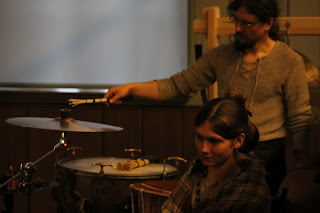
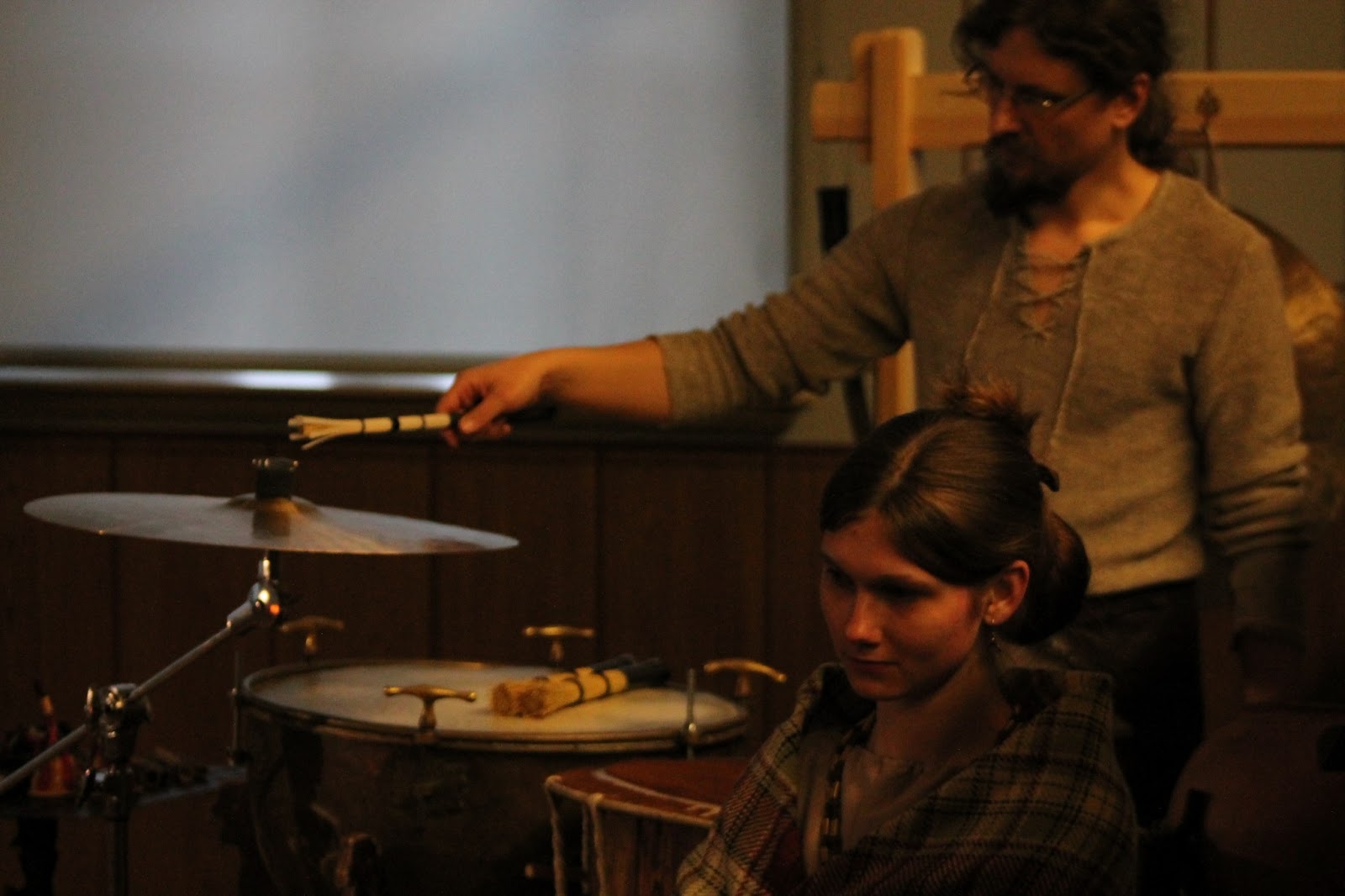
Volvemos abajo donde ya está todo listo para la actuación de Inita y el grupo Pērkonvīri. Esta joven narradora empezó a contar de niña, cuando obtuvo el premio de “reina de los cuentos populares” en el concurso de narración de 2004, y ha desarrollado un estilo de gran elegancia. En esta propuesta, la música y cuentos están juntos, pero no revueltos: los músicos “pintan” el escenario de cada parte del cuento, creando una atmósfera propicia a la maravilla gracias a un montón de instrumentos de sonoridades extraordinarias como el kokle, instrumento de cuerda tradicional letón similar al salterio. Inita hilvana un solo cuento sobre un hijo prometido al diablo; el diablo vuelve el mundo del revés; entonces el muchacho encuentra un castillo bajo tierra, se casa con la princesa, pero duerme durante 7 años y al despertar no encuentra a su esposa, pero tras una lárga búsqueda, la encuentra de nuevo el día de su boda. Pero aquí Inita ha introducido muchos otros motivos de otras historias tradicionales letonas, jugando con ellos. El trabajo de las nuevas generaciones parece muy prometedor.
Una vez finalizada la sesión, siguen las charlas: de repente Liesma descubre que hablo alemán y pasamos un buen rato parloteando. «Aquí también tenemos cuentos de hombres lobo. Dicen que si alguien pasa por debajo de las raíces de un árbol, se transforma en lobo, pero en un lobo con sed de sangre humana, y sólo se le puede matar disparándole con balas de plata.» Le digo que sus historias son más valiosas que el oro. Sonríe y me dice: « Kuldīga antes se llamaba Goldingen». Por algo será. Ārija se une al grupo: es una mujer menuda y que no para de moverse y cuenta historias divertidas con mucho salero. También habla un poco de alemán, y empieza a cantarme con Jaak una canción que empieza «Oh Susanna, Marianna…», ella en letón y Jaak en su versión estonia. Canciones y cuentos unidos otra vez…
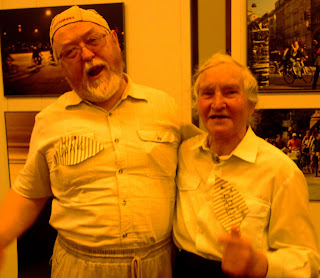
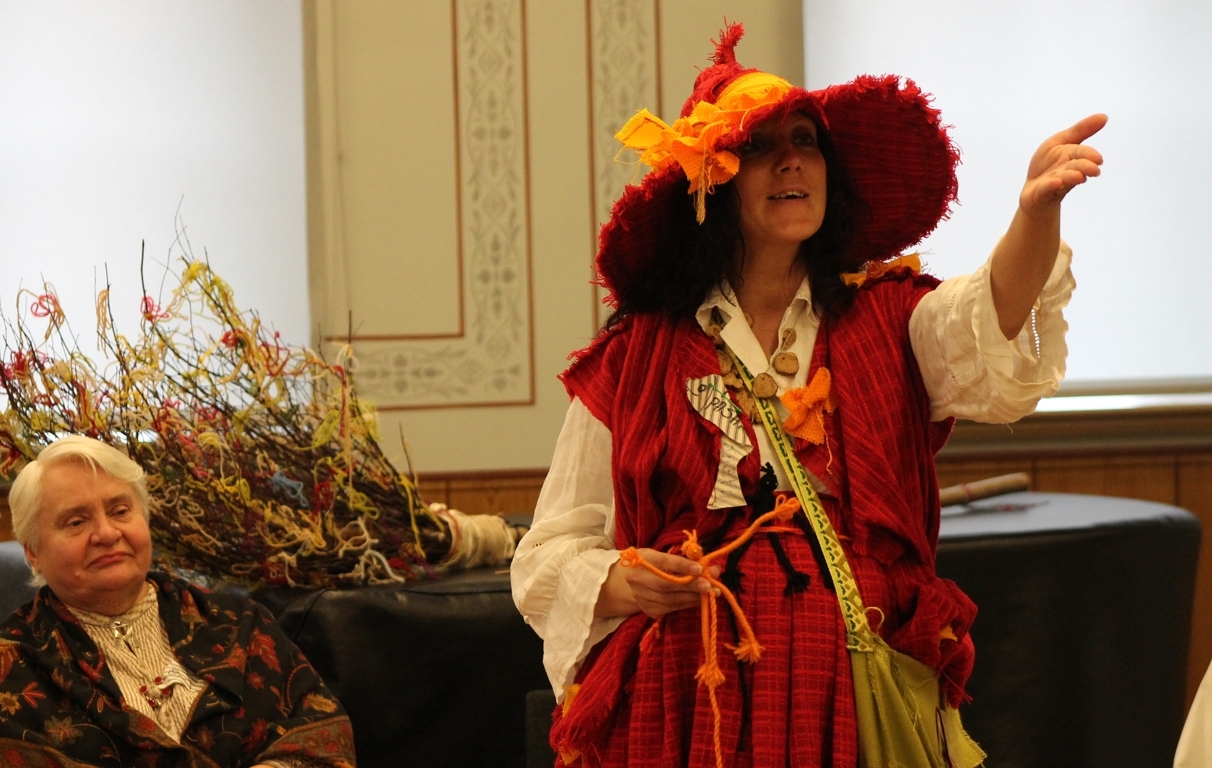
Vamos al coche en dirección a la última sesión de cuentos de la jornada: cuentos de fantasmas en la escuela de Kuldīga. Pero al verme bostezar, antes de ir a la escuela pasan por el hotel y me mandan a la cama. «Quiero ir a escuchar los cuentos», insisto, como una niña, pero Guntis, Liesma y Ārija se mantienen firmes: nos envían al hotel a Jaak y a mí para que descansemos. Māra Mellēna me ha dejado uno de los espléndidos mantos de colores para contar mañana en el exterior, pues han anunciado lluvia y mal tiempo. Pero Liesma dice que conoce una canción para hacer que las nubes pasen de largo. Espero que funcione, pues el cielo está bastante encapotado. Me voy a dormir, y en cuanto toco la cama, me quedo dormida, exhausta. Mañana es el día principal del festival; espero que los cantos de Liesma funcionen.
Continuará…
26th April
At breakfast time, after eating a delicious porridge (putra) with berry marmalade, more stories appear: the hotel password is the name of a lady that fell in love with a stable boy, an impossible love in that time. The legend says that when the lovers tried to escape on horseback they fell into the river and drowned. But Inita said to us that the hotel’s manager and storyteller Inese Šmukste told her that an old German woman that came to the hotel, as she heard the story, said: «No, this is not so, my grandmother told me this story when I was a child, she was from here. The lady and the stable boy married and had five children, but they were excluded from society. Maybe because of that then circulated the story with the tragic end. »
Very interesting… a story that goes and comes back again. This region was under German control during a lot of time, and stories circulated with people. It seems that this town hides a story on every corner. We talk about stories, languages… And I discover that in spite of geographical vicinity, Latvian and Estonian languages are not intercomprehensible. But Guntis has prepared every detail: Agata Babina joins us. She is doing a master in Spanish Studies at the University of Riga and speaks fluently Spanish and English. She will be in charge of translating my stories from Spanish and Jaak’s stories from English.
We go right away to the Pelči castle, a mysterious building that houses a school for children with special
needs. We visit the comfortable children’s library and we discover the numerous hiding places inside the building. No ghost in the castle. But some people said they have seen a white lady wandering around the cemetery nearby. Here in Latvia people love ghost stories, especially kids. In the big hall of the attached building, everyone is waiting for us. The school is frequently visited by storytellers and some children from the school use to tell stories as well, so they offer us a warm welcome. No wonder why this country is called a «singing nation», because they immediately begin to sing along the «bombombom birlibom birlibom» of the story. Agata works hard in order to achieve that stories can be understandable for everyone, and at the end of the session each storyteller receives a beautiful painting from the little artists of the school.
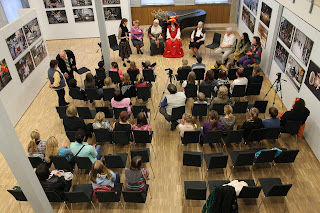
We go quickly to the Kuldīga Library, where we have two sessions for kids with local storytellers. Kuldīga is a little city of the regions of Kurzeme where time seems to have stopped. People know each other, they greet each other, and they stop for having a chat. There is a strong feeling of belonging and community here. It was here where 7 years ago, as part of a Grundtvig project, ‘The development of storytelling skills – a European approach’ (2006 – 2008), a storytelling program for young seniors was developed. This program allowed to discover wonderful storytellers and to form a real storytelling community. We arrive there and stories have just begun, so we join in the group of storytellers. I am fortunate to hear the story of the Mother Water’s daughter (told by Guntis in the Guadalajara Festival and which explains the mystery of flying fish at the Venta River) from Liesma Lagzdiņa, a woman that knows all stories from that region and tells them in her natural and fresh style.
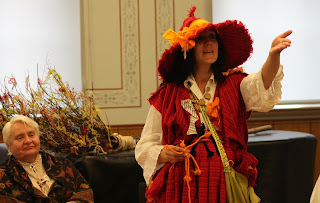
The gestures are simple and austere; Guntis commented me that he was pretty surprised when he was in Guadalajara, as he saw other storytellers from different countries which employed many theatrical or dramatic resources. But Baltic austerity is seasoned with the extraordinary musicality of Latvian, and when I ask about the stories, I see I have understood what the gestures indicated, in spite of not knowing the language. Austere and precise gestures, but they achieve its goal. I listen to other storytellers: Ārija Klēvere, Ausma Lūse and Ivita Kalnozola-Kalsere, best known as Pasaku Ragana, «The Fairytale Witch», I will tell you about them later, as I would be able to listen to them many times and in different situations.

Inita, Jaak and I also tell a story. The story of Jaak and his granddaughter chasing elephants remembers me the summer season spent at my grandparent’s country house, where we imagined fantastic parallel worlds. Inita also tells a funny story and I understand the word putrathat I learned in the morning during breakfast. We go on with stories and even a child tells us a little story. Everyone is preparing itself for earning a bowl of fish soup tomorrow, the festival’s big day.
After the storytelling session, we have lunch, and then, as the rain stops, we go to visit the town guided by Liesma, who knows the city inch by inch, story by story. The legend says that a woman gone crazy when her fiancé died suddenly before marriage. Since then, she began to collect cats and forget the rest of the world, and everyone began to call her Katalina (pronounced as kaķis, cat in Latvian). We finish our tour in the waterfall of Venta River, and we see the flying fishes vimba (Vimba vimba in Latin): they jump really high, trying to surpass the little waterfall. After seeing such a thing, it is impossible not to believe in fairy tales. I can tell you one day the story of the daughter from Venta River and the mystery of the flying fishes, but I am not sure that I will do justice to it.
After an informal talk exchanging experiences about storytelling with a cup of coffee and tea, where I finally meet Māra Mellēna, one of the main promoters of the children folklore movement, we go back to the library, where the representatives of the suiti community have just arrived. Suiti people are a little catholic community that have preserved their traditions very lively since the ancient times. Their women are famous for their special way of traditional burdon singing, with a mocking tone, that has been recognised by the UNESCO as part of the Intangible Cultural World Heritage. Nevertheless, their stories had never been collected until now. Finally they have gathered also their stories in a book with a CD that will be presented today: SUITIJA. The hall of the library is full. We storytellers offer some stories, suiti women reward us with their chants and everybody begins to laugh to the funny songs, while the recipient of the verses smiles at the jokes. It is difficult to obtain a translation, as no one is able to keep from laughing and translate clearly the meaning. What it seems clear to me is that everyone enjoys irreverent chants, a great example of fusion, and I am happy to see they are still a living tradition, beloved for everyone. I suppose the church won’t be so delighted, but fortunately traditional culture has nothing to do with political correctness. Maybe because of that it has always been treated as something minor and unimportant. But here lays also its strength, its survival in people’s memories.
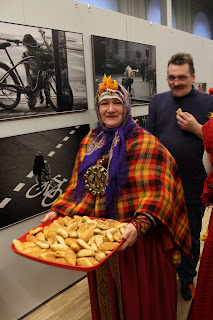
Then we share a delicious snack: rye bread with different smoked fish, a sort of little bacon pies called pīrāgi, and the famous sklandrauši, delicious carrot pies typical from Kurzeme. I speak with some suiti women, to thank them for her music. «I loved the story of wolf woman too!». Everyone goes to the table to taste all these food delicacies, we toast… I also taste a tea of gaiļbikši, that is cowslip tea (Primula veris in Latin), that means in Latvian ‘cook trousers’, and I am delighted to hear it. Somebody celebrates birthday, and everyone sings in her honour; then people begin to improvise songs for each person. Latvians love improvised singing; the metrics from the dainas, the traditional Latvian songs, are short quatrains, an extremely concise poetic expression full of symbols that allows free combination and improvisation. That makes me think about Homer times, when stories and songs where one. We are at North, on the Baltic shore, but people seems so warm and open, ready to enjoy the good company, as in the Mediterranean sea.
We go back to the hall, where everything is ready for the performance of Inita and the music group

Pērkonvīri. This young storyteller began with stories at a young age, as she obtained the title of «folktale king» on the storyteller contest in 2004, and she has developed an elegant style. In this proposal, music and stories are together, but not mixed: the musicians ‘draw’ the scenery for each part of the story, creating an atmosphere of wonder with a dozen of traditional instruments of fantastic sounds, as the kokle, a traditional Latvian string instrument similar to a psaltery. Inita weaves a single story about a son that was promised to the devil and the devil turns the world inside out; there the boy finds an underground castle, he marries the a princess, but he falls asleep during 7 years and after a long search, he finds her again at her wedding day. But Initia has also introduced more motifs from other traditional Latvian stories, playing with them. The work of the new generations seems very promising.
After the performance, the chat goes on: suddenly Liesma discovers I speak German and we have a nice chat. «Here we have stories about wolf men, too. They say that if someone walks under the roots of a tree, he will be transformed in a wolf, and it has to be killed with silver bullets, or he will kill people and ate them.» I say to her that her stories are better than gold. She smiles and says: «Kuldīga was also called Goldingen.» Well, that is for a reason. Ārija joins us: she is a very little and energetic woman that tells witty stories in a very funny style. She speaks also some words in German, and she begins to sing me with Jaak a song «Oh Susanna, Marianna…», she sings the Latvian song and Jaak the Estonian version. Songs and stories together again…
We go to the car, to the last storytelling session of the day: ghost stories at Kuldīga’s school. But as they saw me yawning, before going to school, they stop at the hotel and send me to bed. «I want to hear the ghost stories», I insist, as a little child. But Guntis, Liesma and Ārija stay firm: they send us both Jaak and me to the hotel. Māra Mellēna also recommended me to go to bed, and she borrowed me a beautiful woollen shawl, traditionally knitted, for the outdoor performance of tomorrow, as they forecasted rain and bad weather. Liesma says that we don’t have to worry: she will sing a song that helps to move away clouds. Hope it will help, because the sky looks pretty bad. I go to bed and as soon I lay down, I fell asleep, exhausted. Tomorrow is the festival’s big day. I hope that Liesma’s chants will work.
To be continued…